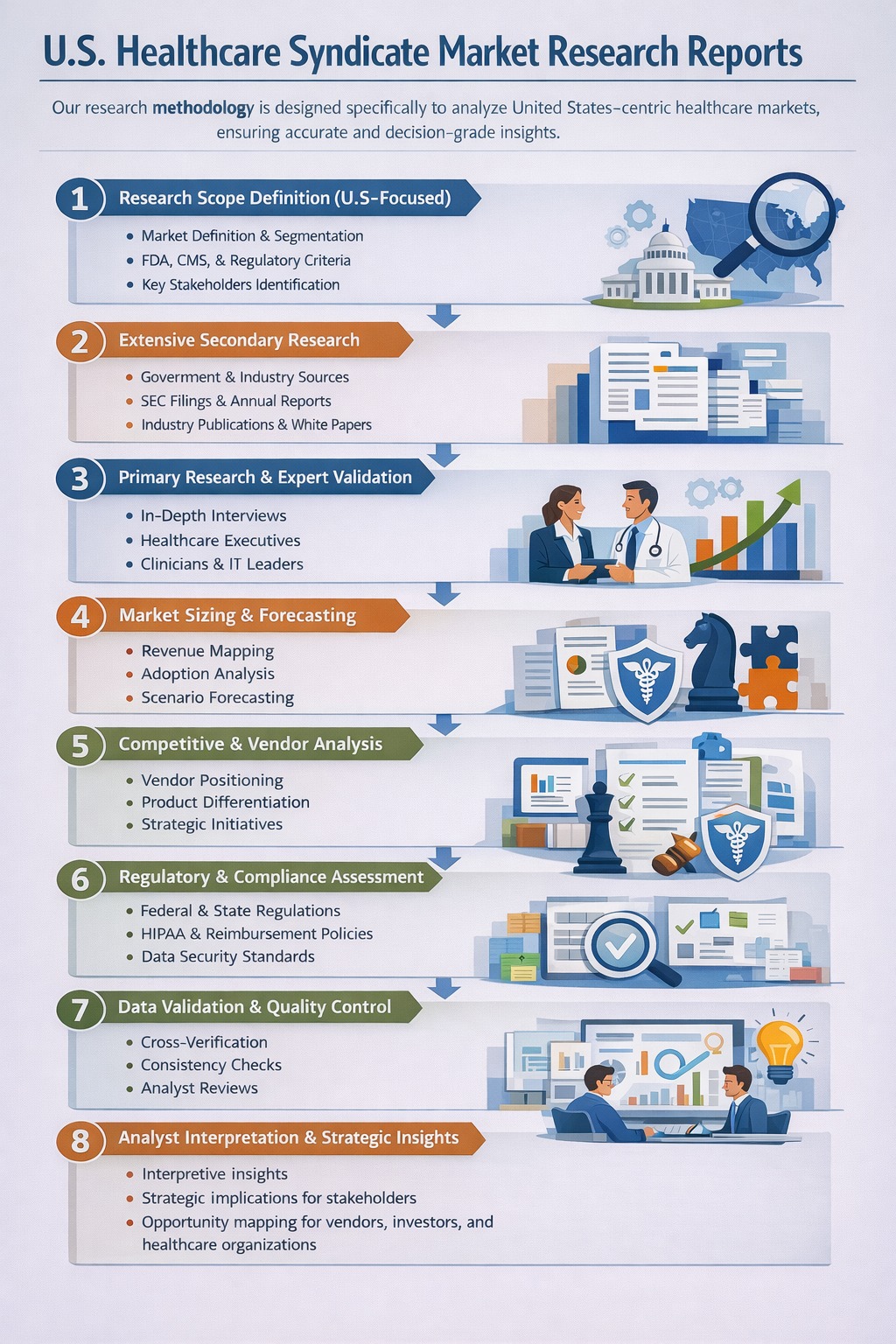

By Product Type (Balloon-Expandable Valves, Self-Expanding Valves, Mechanically Expandable Valves), By Procedure Approach (Transfemoral, Transapical, Transaortic, Others), By End User (Hospitals, Cardiac Centers, Ambulatory Surgical Centers), By Patient Risk Profile (Low Risk, Intermediate Risk, High Risk), By Region (Northeast, Midwest, South, West) – Market Size, Industry Analysis, Segmental Insights, Regional Overview, Company Share Analysis, and Market Forecast, 2021–2035
Market Outlook
The US Transcatheter Aortic Valve Replacement (TAVR) Device Market was valued at USD 6.85 billion in 2025, and is projected to reach approximately USD 18.92 billion by 2035, expanding at a CAGR of 10.7% during the forecast period 2026–2035. The historical period from 2021 to 2024 reflects accelerated adoption driven by clinical guideline expansion and procedural volume growth across both academic and community hospital settings.
The US remains the largest and most commercially mature TAVR market globally, supported by favorable reimbursement under Medicare, well-established structural heart programs, and rapid clinical acceptance across broader patient risk categories. TAVR has transitioned from a niche intervention for inoperable patients to a frontline therapy for low-risk populations, fundamentally reshaping the aortic stenosis treatment paradigm.
Clinical evidence has consistently demonstrated non-inferiority or superiority of TAVR compared to surgical aortic valve replacement (SAVR) across multiple risk cohorts, leading to expanded FDA indications and guideline endorsements. Studies indicate that TAVR adoption has significantly increased procedural volumes nationwide, with over half a million procedures performed globally and a substantial share originating from the United States.
Hospital economics further reinforce adoption, as TAVR programs drive high-margin cardiovascular service lines despite elevated device costs, supported by bundled payments and improved patient throughput. The continued evolution toward minimally invasive care, shorter hospital stays, and outpatient feasibility is expected to sustain market expansion over the next decade.
Introduction
According to the US Transcatheter Aortic Valve Replacement (TAVR) Device Market report, this sector represents one of the most clinically transformative and economically impactful segments within cardiovascular medical devices. TAVR has emerged as a cornerstone of structural heart innovation, addressing the growing burden of aortic stenosis among the aging US population.
Aortic stenosis prevalence increases significantly with age, particularly among individuals over 65, creating a substantial addressable patient population. Traditional surgical approaches are increasingly being replaced by catheter-based interventions due to lower procedural risk, faster recovery, and improved patient outcomes.
From a healthcare system perspective, TAVR aligns with the broader shift toward value-based care. Hospitals are prioritizing interventions that reduce length of stay, minimize complications, and improve readmission rates. TAVR meets these criteria while enabling cardiovascular programs to expand procedural capacity without proportional increases in infrastructure.
The US market is also characterized by a highly concentrated competitive landscape, historically dominated by a duopoly, with new entrants gradually increasing competitive intensity. Device innovation cycles, including improvements in valve durability, delivery systems, and imaging integration, continue to redefine clinical practice and procurement decisions.
- Also Read: Self-expanding valve technologies redefining adaptability in transcatheter aortic interventions
Key Market Drivers: What’s Fueling the US TAVR Market Growth?
Expansion of Clinical Indications Across Risk Profiles
One of the most significant drivers of market growth is the expansion of TAVR indications from high-risk and inoperable patients to intermediate- and low-risk populations. Clinical trials and real-world evidence have demonstrated comparable or superior outcomes relative to surgical alternatives, prompting guideline updates and broader physician adoption.
This shift has dramatically increased the addressable patient pool, transforming TAVR from a specialized intervention into a standard-of-care procedure for many patients with severe aortic stenosis.
Favorable Reimbursement and Economic Viability
Medicare and private payer reimbursement structures in the US strongly support TAVR adoption. Despite high device costs, hospitals benefit from favorable Diagnosis-Related Group (DRG) payments and improved operational efficiency.
Hospital-level economic analyses indicate that TAVR programs can achieve positive contribution margins, particularly when procedural volumes exceed threshold levels. Efficient care pathways, including next-day discharge protocols, further enhance financial performance.
Aging Population and Disease Burden
The demographic shift toward an older population in the US is a fundamental growth driver. Aortic stenosis prevalence increases significantly with age, creating sustained demand for valve replacement therapies.
As life expectancy rises, the need for less invasive procedures that minimize surgical risk becomes increasingly critical, positioning TAVR as a preferred treatment option.
Technological Innovation and Device Advancements
Continuous innovation in valve design, delivery systems, and imaging integration is improving procedural outcomes and expanding applicability. Advances include smaller sheath sizes, improved sealing mechanisms to reduce paravalvular leak, and enhanced repositionability.
Emerging technologies are also focusing on valve durability, addressing long-term outcomes in younger, low-risk patients.
- Also Read: Innovation pipeline of next-gen transcatheter valve systems advancing durability and hemodynamics
Innovation in Focus: How Manufacturers Are Redefining Structural Heart Therapy
Innovation within the TAVR market is highly iterative and clinically driven. Manufacturers are investing heavily in next-generation valve platforms that address current limitations, including durability, thrombogenicity, and anatomical compatibility.
One of the most notable trends is the development of low-profile delivery systems that enable treatment of patients with complex vascular anatomy. These advancements expand procedural eligibility and reduce access-related complications.
Another area of focus is leaflet technology and biomaterials, aimed at improving valve longevity. As TAVR expands into younger patient populations, durability becomes a critical factor influencing long-term adoption.
Digital integration is also playing an increasing role, with advanced imaging, AI-assisted procedural planning, and intraoperative guidance enhancing precision and outcomes.
- Also Read: Evolution of low-profile valve systems enabling minimally invasive access in complex anatomies
Segmentation Insights
By Product Type
The US TAVR device market is segmented into balloon-expandable valves, self-expanding valves, and mechanically expandable valves.
- Balloon-expandable valves dominate the market, driven by strong clinical outcomes, precise deployment, and widespread physician familiarity. These valves are particularly preferred in anatomies requiring high placement accuracy.
- Self-expanding valves represent a significant and growing segment, offering advantages in patients with larger annuli or challenging anatomies. Their ability to conform to anatomical variations supports broader applicability.
Mechanically expandable valves, while less prevalent, provide unique advantages in controlled deployment and repositionability, though adoption remains limited due to competitive pressure from established platforms.
- Also Read: Delivery system engineering trends improving precision and safety in valve deployment procedures
By Procedure Approach
- Transfemoral access is the dominant approach, accounting for the majority of TAVR procedures in the US. Its minimally invasive nature and favorable clinical outcomes make it the preferred route whenever anatomically feasible.
- Alternative access routes, including transapical and transaortic approaches, are utilized in patients with unsuitable peripheral vasculature. However, their share is declining as device profiles become smaller and transfemoral eligibility expands.
By End User
- Hospitals represent the largest end-user segment, driven by the complexity of TAVR procedures and the need for multidisciplinary heart teams. High-volume centers, particularly those with established structural heart programs, account for a significant proportion of procedures.
- Cardiac specialty centers are emerging as important contributors, particularly in urban markets with high patient volumes.
- Ambulatory surgical centers remain a nascent segment, with future potential as procedural simplification and reimbursement models evolve.
By Patient Risk Profile
- Low-risk patients represent the fastest-growing segment, reflecting expanding clinical indications and strong outcome data. This segment is expected to drive long-term market growth.
- Intermediate-risk patients continue to account for a substantial share, supported by established clinical evidence.
- High-risk patients, while historically dominant, now represent a smaller proportion as the market broadens.
Regional Insights: US Market Dynamics by Geography
West Region
The West region leads the US TAVR market, driven by advanced healthcare infrastructure, high adoption of innovative technologies, and strong presence of leading cardiovascular centers.
States such as California and Washington are at the forefront of TAVR adoption, supported by large patient populations, academic medical centers, and robust investment in structural heart programs.
California, in particular, represents a high-volume market with significant procedural density, reflecting both population size and early adoption trends.
Northeast Region
The Northeast region demonstrates strong adoption driven by academic medical centers and research institutions. States such as New York and Massachusetts are key contributors, with high procedural volumes and early integration of new technologies.
The presence of leading teaching hospitals and clinical trial sites accelerates adoption of next-generation devices and techniques.
South Region
The South is the fastest-growing region, supported by expanding healthcare infrastructure and increasing prevalence of cardiovascular disease.
States such as Texas and Florida are major growth engines, driven by large aging populations and increasing investment in cardiac care facilities.
The region also benefits from hospital network expansion and improved access to specialized care.
Midwest Region
The Midwest exhibits steady growth, characterized by strong adoption in states such as Illinois, Ohio, and Michigan.
Healthcare systems in this region are increasingly focusing on operational efficiency and value-based care, driving adoption of TAVR as a cost-effective alternative to surgery.
- Also Read: Alternative access strategies addressing non-femoral patient populations in TAVR procedures
Key Market Players
The US TAVR market is characterized by a concentrated competitive landscape with a mix of established leaders and emerging innovators.
- Edwards Lifesciences dominates the US market with its SAPIEN valve platform, maintaining strong physician loyalty and extensive clinical evidence.
- Medtronic is a key competitor with its CoreValve and Evolut platforms, offering self-expanding valve solutions with broad anatomical applicability.
- Abbott Laboratories is expanding its structural heart portfolio, focusing on innovation and integration across cardiovascular therapies.
- Boston Scientific is investing in next-generation valve technologies and structural heart solutions.
- JenaValve Technology is gaining traction with its transcatheter aortic valve systems designed for specific patient populations.
- Meril Life Sciences (US presence expanding) is entering the US market with competitive valve platforms.
- Venus Medtech (US pipeline) is exploring market entry strategies.
- MicroPort Scientific is developing advanced valve technologies targeting global expansion.
- LivaNova is leveraging its cardiovascular expertise to expand into structural heart.
- CryoLife (Artivion) is involved in aortic repair and adjunct technologies.
- Terumo Corporation (US operations) supports cardiovascular interventions with delivery systems.
- Cook Medical provides interventional components supporting TAVR procedures.
- Cardinal Health plays a role in distribution and supply chain.
- Becton Dickinson (BD) supports interventional infrastructure.
- GE HealthCare, Siemens Healthineers, and Philips Healthcare are critical ecosystem players providing imaging and procedural guidance technologies.
- Shockwave Medical contributes intravascular lithotripsy solutions facilitating vascular access.
- Inari Medical supports interventional cardiovascular procedures.
- Penumbra Inc. provides thrombectomy solutions relevant to procedural complications.
- AngioDynamics offers vascular access technologies.
- Teleflex Incorporated supports catheter-based interventions.
- W.L. Gore & Associates contributes vascular graft and support technologies.
Edwards Lifesciences and Medtronic together account for a significant majority of US TAVR market share, reflecting a historically entrenched duopoly, although competitive intensity is gradually increasing.
- Also Read: Procedural access system innovations supporting streamlined and reproducible TAVR workflows
Recent Developments
Recent developments in the US TAVR market highlight continued expansion in procedural volumes and technological innovation. Hospitals are increasingly adopting minimalist TAVR approaches, enabling shorter hospital stays and improved patient throughput.
Clinical studies continue to validate the safety and efficacy of TAVR in low-risk populations, supporting broader adoption. Additionally, ongoing research into valve durability and long-term outcomes is expected to further strengthen market confidence.
Manufacturers are also investing in next-generation devices with improved deliverability and durability, while digital tools are enhancing procedural planning and execution.
- Also Read: Closure device advancements reducing vascular complications post transcatheter valve implantation
Conclusion
The US Transcatheter Aortic Valve Replacement (TAVR) Device Market is positioned for sustained growth, driven by demographic trends, clinical evidence expansion, and continuous technological innovation.
As TAVR becomes the standard of care across broader patient populations, the market will continue to evolve, with increasing competition, innovation, and focus on long-term outcomes.
The convergence of clinical efficacy, economic viability, and patient preference positions TAVR as a cornerstone of modern cardiovascular care in the United States.
1. US Transcatheter Aortic Valve Replacement (TAVR) Device Market: Market Introduction & Context
1.1 Market Definition
1.2 Scope of the Study
1.3 Research Methodology
1.4 Primary Data Collection
1.5 Secondary Data Sourcing
1.6 External Industry Collaborations
1.7 In-House Research Databases
1.8 Analytical Frameworks & Forecasting Model
1.9 Data Validation and Final Report Publishing
1.10 Key Assumptions
1.11 Market Ecosystem Overview
1.12 Stakeholder Analysis (OEMs, Hospitals, Cath Labs, Distributors, Payers)
What this section provides:
This section establishes the foundational structure of the report, detailing methodology, data sources, assumptions, and the structural heart ecosystem to ensure transparency, credibility, and usability of insights.
2. US TAVR Device Market: Executive Summary
2.1 Key Insights & Market Snapshot
2.2 Analyst Viewpoint
2.3 Market Attractiveness Index
2.4 Strategic Opportunity Mapping
What this section provides:
A concise yet high-impact overview of market size, growth trajectory, competitive intensity, and key strategic inflection points for quick executive decision-making.
3. US TAVR Device Market: Market Dynamics & Outlook
3.1 Market Drivers and Impact Analysis
3.2 Market Restraints and Impact Analysis
3.3 Market Opportunities and Impact Analysis
3.4 Clinical Adoption Trends & Procedure Volume Analysis (2021–2025)
3.5 Patent & Innovation Analysis (2020–2025)
3.6 Reimbursement Landscape (Medicare DRG, Private Payers)
What this section provides:
Detailed evaluation of growth drivers, clinical expansion, reimbursement dynamics, and innovation trends shaping market acceleration and risk factors.
4. US TAVR Device Market: Market Environment & Industry Analysis
4.1 PESTEL Analysis
4.1.1 Political
4.1.2 Economic
4.1.3 Social
4.1.4 Technological
4.1.5 Environmental
4.1.6 Legal
4.2 Porter’s Five Forces Analysis
4.2.1 Threat of New Entrants
4.2.2 Bargaining Power of Buyers
4.2.3 Bargaining Power of Suppliers
4.2.4 Threat of Substitutes (SAVR, Medical Management)
4.2.5 Competitive Rivalry
4.3 Pricing Trend Analysis (2024–2030)
4.4 Value Chain & Supply Chain Analysis
4.5 Hospital Procurement & Capital Budgeting Trends
4.6 Regulatory Framework (FDA PMA, CMS Coverage)
4.7 Impact of Value-Based Care Models
4.8 Impact of Geopolitical & Supply Chain Disruptions
What this section provides:
A comprehensive industry-level view covering regulatory, economic, pricing, and competitive forces influencing procurement decisions and market structure.
5. US TAVR Device Market – By Product Type
5.1 Overview
5.2 Segment Share Analysis, 2025 & 2035 (%)
5.3 Balloon-Expandable Valves
5.4 Self-Expanding Valves
5.5 Mechanically Expandable Valves
What this section provides:
Insights into device technology segmentation, highlighting dominant valve types, innovation trends, and revenue contribution across product categories.
6. US TAVR Device Market – By Procedure Approach
6.1 Overview
6.2 Segment Share Analysis, 2025 & 2035 (%)
6.3 Transfemoral Approach
6.4 Transapical Approach
6.5 Transaortic Approach
6.6 Other Access Routes
What this section provides:
Analysis of procedural trends, access route evolution, and clinical preference shifts impacting device utilization.
7. US TAVR Device Market – By End User
7.1 Overview
7.2 Segment Share Analysis, 2025 & 2035 (%)
7.3 Hospitals
7.4 Cardiac Specialty Centers
7.5 Ambulatory Surgical Centers
What this section provides:
Understanding of demand concentration across healthcare settings and how procedural complexity influences adoption patterns.
8. US TAVR Device Market – By Patient Risk Profile
8.1 Overview
8.2 Segment Share Analysis, 2025 & 2035 (%)
8.3 Low-Risk Patients
8.4 Intermediate-Risk Patients
8.5 High-Risk Patients
What this section provides:
Breakdown of market expansion across patient cohorts, reflecting guideline evolution and future growth drivers.
9. US TAVR Device Market – By Geography
9.1 Introduction
9.2 Segment Share Analysis, 2025 & 2035 (%)
9.3 West Region
9.3.1 Regional Overview & Trends
9.3.2 Key TAVR Device Manufacturers in West Region
9.3.3 Market Size and Forecast by Segment (2025–2035)
9.3.4 California
9.3.5 Washington
9.3.6 Colorado
9.3.7 Arizona
9.3.8 Oregon
9.3.9 Utah
9.3.10 Nevada
9.3.11 New Mexico
9.3.12 Idaho
9.3.13 Montana
9.3.14 Wyoming
9.3.15 Alaska
9.3.16 Hawaii
9.4 Northeast Region
9.4.1 Regional Overview & Trends
9.4.2 New York
9.4.3 Massachusetts
9.4.4 New Jersey
9.4.5 Pennsylvania
9.4.6 Connecticut
9.4.7 Maine
9.4.8 Vermont
9.4.9 New Hampshire
9.4.10 Rhode Island
9.4.11 Delaware
9.5 South Region
9.5.1 Regional Overview & Trends
9.5.2 Texas
9.5.3 Florida
9.5.4 Georgia
9.5.5 North Carolina
9.5.6 Tennessee
9.5.7 South Carolina
9.5.8 Alabama
9.5.9 Mississippi
9.5.10 Louisiana
9.5.11 Arkansas
9.5.12 Kentucky
9.5.13 Oklahoma
9.5.14 Virginia
9.5.15 Maryland
9.5.16 West Virginia
9.6 Midwest Region
9.6.1 Regional Overview & Trends
9.6.2 Illinois
9.6.3 Ohio
9.6.4 Michigan
9.6.5 Minnesota
9.6.6 Indiana
9.6.7 Wisconsin
9.6.8 Missouri
9.6.9 Iowa
9.6.10 Kansas
9.6.11 Nebraska
9.6.12 North Dakota
9.6.13 South Dakota
What this section provides:
Granular state-level insights enabling identification of high-growth regions, procedure density, hospital infrastructure maturity, and investment hotspots.
10. US TAVR Device Market: Competitive Landscape & Company Profiles
10.1 Market Share Analysis (2025)
10.2 Company Positioning Matrix
10.3 Company Profiles
10.3.1 Edwards Lifesciences
10.3.2 Medtronic
10.3.3 Abbott Laboratories
10.3.4 Boston Scientific Corporation
10.3.5 JenaValve Technology
10.3.6 Meril Life Sciences
10.3.7 Venus Medtech
10.3.8 MicroPort Scientific Corporation
10.3.9 LivaNova PLC
10.3.10 Artivion Inc.
10.3.11 Terumo Corporation
10.3.12 Cook Medical
10.3.13 Cardinal Health
10.3.14 Becton, Dickinson and Company (BD)
10.3.15 GE HealthCare
10.3.16 Siemens Healthineers
10.3.17 Philips Healthcare
10.3.18 Shockwave Medical
10.3.19 Inari Medical
10.3.20 Penumbra Inc.
10.3.21 AngioDynamics
10.3.22 Teleflex Incorporated
10.3.23 W.L. Gore & Associates
10.3.24 Others
What this section provides:
Detailed competitive benchmarking, market share positioning, and strategic profiling of key players shaping the US TAVR ecosystem.
11. US TAVR Device Market: Future Market Outlook (2026–2035)
11.1 Scenario Analysis (Optimistic, Realistic, Pessimistic)
11.2 Technology Evolution Roadmap
11.3 Structural Heart Market Convergence
11.4 Emerging Business Models
What this section provides:
Forward-looking insights into market evolution, disruptive innovations, and long-term growth opportunities.
12. US TAVR Device Market: Strategic Recommendations
What this section provides:
Actionable insights and strategic guidance for OEMs, hospitals, investors, and stakeholders to optimize market positioning and growth.
13. Disclaimer
What this section provides:
Clarifies legal limitations, data usage policies, and report scope boundaries.
List of Tables
TABLE 1: List of Data Sources
TABLE 2: Market Drivers; Impact Analysis
TABLE 3: Market Restraints; Impact Analysis
TABLE 4: US Transcatheter Aortic Valve Replacement (TAVR) Device Market: Product Type Snapshot (2025)
TABLE 5: Segment Dashboard; Definition and Scope, by Product Type
TABLE 6: US TAVR Device Market, by Product Type, 2021–2035 (USD Million)
TABLE 7: US TAVR Device Market: Procedure Approach Snapshot (2025)
TABLE 8: Segment Dashboard; Definition and Scope, by Procedure Approach
TABLE 9: US TAVR Device Market, by Procedure Approach, 2021–2035 (USD Million)
TABLE 10: US TAVR Device Market: End-User Snapshot (2025)
TABLE 11: Segment Dashboard; Definition and Scope, by End-User
TABLE 12: US TAVR Device Market, by End-User, 2021–2035 (USD Million)
TABLE 13: US TAVR Device Market: Patient Risk Profile Snapshot (2025)
TABLE 14: Segment Dashboard; Definition and Scope, by Patient Risk Profile
TABLE 15: US TAVR Device Market, by Patient Risk Profile, 2021–2035 (USD Million)
TABLE 16: US TAVR Device Market: Regional Snapshot (2025)
TABLE 17: Segment Dashboard; Definition and Scope, by Region
TABLE 18: US TAVR Device Market, by Region, 2021–2035 (USD Million)
TABLE 19: California TAVR Device Market, by Product Type, 2021–2035 (USD Million)
TABLE 20: California TAVR Device Market, by Procedure Approach, 2021–2035 (USD Million)
TABLE 21: California TAVR Device Market, by End-User, 2021–2035 (USD Million)
TABLE 22: California TAVR Device Market, by Patient Risk Profile, 2021–2035 (USD Million)
TABLE 23: Washington TAVR Device Market, by Product Type, 2021–2035 (USD Million)
TABLE 24: Washington TAVR Device Market, by Procedure Approach, 2021–2035 (USD Million)
TABLE 25: Washington TAVR Device Market, by End-User, 2021–2035 (USD Million)
TABLE 26: Washington TAVR Device Market, by Patient Risk Profile, 2021–2035 (USD Million)
TABLE 27: Colorado TAVR Device Market, by Product Type, 2021–2035 (USD Million)
TABLE 28: Colorado TAVR Device Market, by Procedure Approach, 2021–2035 (USD Million)
TABLE 29: Colorado TAVR Device Market, by End-User, 2021–2035 (USD Million)
TABLE 30: Colorado TAVR Device Market, by Patient Risk Profile, 2021–2035 (USD Million)
TABLE 31: Arizona TAVR Device Market, by Product Type, 2021–2035 (USD Million)
TABLE 32: Arizona TAVR Device Market, by Procedure Approach, 2021–2035 (USD Million)
TABLE 33: Arizona TAVR Device Market, by End-User, 2021–2035 (USD Million)
TABLE 34: Arizona TAVR Device Market, by Patient Risk Profile, 2021–2035 (USD Million)
TABLE 35: Oregon TAVR Device Market, by Product Type, 2021–2035 (USD Million)
TABLE 36: Oregon TAVR Device Market, by Procedure Approach, 2021–2035 (USD Million)
TABLE 37: Oregon TAVR Device Market, by End-User, 2021–2035 (USD Million)
TABLE 38: Oregon TAVR Device Market, by Patient Risk Profile, 2021–2035 (USD Million)
TABLE 39: West – Others TAVR Device Market, by Product Type, 2021–2035 (USD Million)
TABLE 40: West – Others TAVR Device Market, by Procedure Approach, 2021–2035 (USD Million)
TABLE 41: West – Others TAVR Device Market, by End-User, 2021–2035 (USD Million)
TABLE 42: West – Others TAVR Device Market, by Patient Risk Profile, 2021–2035 (USD Million)
(Nevada, Utah, New Mexico, Idaho, Montana, Wyoming, Alaska, Hawaii)
TABLE 43: New York TAVR Device Market, by Product Type, 2021–2035 (USD Million)
TABLE 44: New York TAVR Device Market, by Procedure Approach, 2021–2035 (USD Million)
TABLE 45: New York TAVR Device Market, by End-User, 2021–2035 (USD Million)
TABLE 46: New York TAVR Device Market, by Patient Risk Profile, 2021–2035 (USD Million)
TABLE 47: Massachusetts TAVR Device Market, by Product Type, 2021–2035 (USD Million)
TABLE 48: Massachusetts TAVR Device Market, by Procedure Approach, 2021–2035 (USD Million)
TABLE 49: Massachusetts TAVR Device Market, by End-User, 2021–2035 (USD Million)
TABLE 50: Massachusetts TAVR Device Market, by Patient Risk Profile, 2021–2035 (USD Million)
TABLE 51: New Jersey TAVR Device Market, by Product Type, 2021–2035 (USD Million)
TABLE 52: New Jersey TAVR Device Market, by Procedure Approach, 2021–2035 (USD Million)
TABLE 53: New Jersey TAVR Device Market, by End-User, 2021–2035 (USD Million)
TABLE 54: New Jersey TAVR Device Market, by Patient Risk Profile, 2021–2035 (USD Million)
TABLE 55: Pennsylvania TAVR Device Market, by Product Type, 2021–2035 (USD Million)
TABLE 56: Pennsylvania TAVR Device Market, by Procedure Approach, 2021–2035 (USD Million)
TABLE 57: Pennsylvania TAVR Device Market, by End-User, 2021–2035 (USD Million)
TABLE 58: Pennsylvania TAVR Device Market, by Patient Risk Profile, 2021–2035 (USD Million)
TABLE 59: Connecticut TAVR Device Market, by Product Type, 2021–2035 (USD Million)
TABLE 60: Connecticut TAVR Device Market, by Procedure Approach, 2021–2035 (USD Million)
TABLE 61: Connecticut TAVR Device Market, by End-User, 2021–2035 (USD Million)
TABLE 62: Connecticut TAVR Device Market, by Patient Risk Profile, 2021–2035 (USD Million)
TABLE 63: Northeast – Others TAVR Device Market, by Product Type, 2021–2035 (USD Million)
TABLE 64: Northeast – Others TAVR Device Market, by Procedure Approach, 2021–2035 (USD Million)
TABLE 65: Northeast – Others TAVR Device Market, by End-User, 2021–2035 (USD Million)
TABLE 66: Northeast – Others TAVR Device Market, by Patient Risk Profile, 2021–2035 (USD Million)
(Maine, Vermont, New Hampshire, Rhode Island, Delaware)
TABLE 67: Texas TAVR Device Market, by Product Type, 2021–2035 (USD Million)
TABLE 68: Texas TAVR Device Market, by Procedure Approach, 2021–2035 (USD Million)
TABLE 69: Texas TAVR Device Market, by End-User, 2021–2035 (USD Million)
TABLE 70: Texas TAVR Device Market, by Patient Risk Profile, 2021–2035 (USD Million)
TABLE 71: Florida TAVR Device Market, by Product Type, 2021–2035 (USD Million)
TABLE 72: Florida TAVR Device Market, by Procedure Approach, 2021–2035 (USD Million)
TABLE 73: Florida TAVR Device Market, by End-User, 2021–2035 (USD Million)
TABLE 74: Florida TAVR Device Market, by Patient Risk Profile, 2021–2035 (USD Million)
TABLE 75: Georgia TAVR Device Market, by Product Type, 2021–2035 (USD Million)
TABLE 76: Georgia TAVR Device Market, by Procedure Approach, 2021–2035 (USD Million)
TABLE 77: Georgia TAVR Device Market, by End-User, 2021–2035 (USD Million)
TABLE 78: Georgia TAVR Device Market, by Patient Risk Profile, 2021–2035 (USD Million)
TABLE 79: North Carolina TAVR Device Market, by Product Type, 2021–2035 (USD Million)
TABLE 80: North Carolina TAVR Device Market, by Procedure Approach, 2021–2035 (USD Million)
TABLE 81: North Carolina TAVR Device Market, by End-User, 2021–2035 (USD Million)
TABLE 82: North Carolina TAVR Device Market, by Patient Risk Profile, 2021–2035 (USD Million)
TABLE 83: Tennessee TAVR Device Market, by Product Type, 2021–2035 (USD Million)
TABLE 84: Tennessee TAVR Device Market, by Procedure Approach, 2021–2035 (USD Million)
TABLE 85: Tennessee TAVR Device Market, by End-User, 2021–2035 (USD Million)
TABLE 86: Tennessee TAVR Device Market, by Patient Risk Profile, 2021–2035 (USD Million)
TABLE 87: South Carolina TAVR Device Market, by Product Type, 2021–2035 (USD Million)
TABLE 88: South Carolina TAVR Device Market, by Procedure Approach, 2021–2035 (USD Million)
TABLE 89: South Carolina TAVR Device Market, by End-User, 2021–2035 (USD Million)
TABLE 90: South Carolina TAVR Device Market, by Patient Risk Profile, 2021–2035 (USD Million)
TABLE 91: Alabama TAVR Device Market, by Product Type, 2021–2035 (USD Million)
TABLE 92: Alabama TAVR Device Market, by Procedure Approach, 2021–2035 (USD Million)
TABLE 93: Alabama TAVR Device Market, by End-User, 2021–2035 (USD Million)
TABLE 94: Alabama TAVR Device Market, by Patient Risk Profile, 2021–2035 (USD Million)
TABLE 95: South – Others TAVR Device Market, by Product Type, 2021–2035 (USD Million)
TABLE 96: South – Others TAVR Device Market, by Procedure Approach, 2021–2035 (USD Million)
TABLE 97: South – Others TAVR Device Market, by End-User, 2021–2035 (USD Million)
TABLE 98: South – Others TAVR Device Market, by Patient Risk Profile, 2021–2035 (USD Million)
(Mississippi, Louisiana, Arkansas, Kentucky, Oklahoma, Virginia, Maryland, West Virginia)
TABLE 99: Illinois TAVR Device Market, by Product Type, 2021–2035 (USD Million)
TABLE 100: Illinois TAVR Device Market, by Procedure Approach, 2021–2035 (USD Million)
TABLE 101: Illinois TAVR Device Market, by End-User, 2021–2035 (USD Million)
TABLE 102: Illinois TAVR Device Market, by Patient Risk Profile, 2021–2035 (USD Million)
TABLE 103: Ohio TAVR Device Market, by Product Type, 2021–2035 (USD Million)
TABLE 104: Ohio TAVR Device Market, by Procedure Approach, 2021–2035 (USD Million)
TABLE 105: Ohio TAVR Device Market, by End-User, 2021–2035 (USD Million)
TABLE 106: Ohio TAVR Device Market, by Patient Risk Profile, 2021–2035 (USD Million)
TABLE 107: Michigan TAVR Device Market, by Product Type, 2021–2035 (USD Million)
TABLE 108: Michigan TAVR Device Market, by Procedure Approach, 2021–2035 (USD Million)
TABLE 109: Michigan TAVR Device Market, by End-User, 2021–2035 (USD Million)
TABLE 110: Michigan TAVR Device Market, by Patient Risk Profile, 2021–2035 (USD Million)
TABLE 111: Minnesota TAVR Device Market, by Product Type, 2021–2035 (USD Million)
TABLE 112: Minnesota TAVR Device Market, by Procedure Approach, 2021–2035 (USD Million)
TABLE 113: Minnesota TAVR Device Market, by End-User, 2021–2035 (USD Million)
TABLE 114: Minnesota TAVR Device Market, by Patient Risk Profile, 2021–2035 (USD Million)
TABLE 115: Indiana TAVR Device Market, by Product Type, 2021–2035 (USD Million)
TABLE 116: Indiana TAVR Device Market, by Procedure Approach, 2021–2035 (USD Million)
TABLE 117: Indiana TAVR Device Market, by End-User, 2021–2035 (USD Million)
TABLE 118: Indiana TAVR Device Market, by Patient Risk Profile, 2021–2035 (USD Million)
TABLE 119: Wisconsin TAVR Device Market, by Product Type, 2021–2035 (USD Million)
TABLE 120: Wisconsin TAVR Device Market, by Procedure Approach, 2021–2035 (USD Million)
TABLE 121: Wisconsin TAVR Device Market, by End-User, 2021–2035 (USD Million)
TABLE 122: Wisconsin TAVR Device Market, by Patient Risk Profile, 2021–2035 (USD Million)
TABLE 123: Missouri TAVR Device Market, by Product Type, 2021–2035 (USD Million)
TABLE 124: Missouri TAVR Device Market, by Procedure Approach, 2021–2035 (USD Million)
TABLE 125: Missouri TAVR Device Market, by End-User, 2021–2035 (USD Million)
TABLE 126: Missouri TAVR Device Market, by Patient Risk Profile, 2021–2035 (USD Million)
TABLE 127: Midwest – Others TAVR Device Market, by Product Type, 2021–2035 (USD Million)
TABLE 128: Midwest – Others TAVR Device Market, by Procedure Approach, 2021–2035 (USD Million)
TABLE 129: Midwest – Others TAVR Device Market, by End-User, 2021–2035 (USD Million)
TABLE 130: Midwest – Others TAVR Device Market, by Patient Risk Profile, 2021–2035 (USD Million)
(Iowa, Kansas, Nebraska, North Dakota, South Dakota)
List of Figures
FIGURE 1: US TAVR Device Market Segmentation
FIGURE 2: Market Research Methodology
FIGURE 3: Value Chain Analysis
FIGURE 4: PESTLE Analysis
FIGURE 5: Porter’s Five Forces Analysis
FIGURE 6: Market Attractiveness Analysis
FIGURE 7: Market Dynamics
FIGURE 8: Innovation & Patent Landscape (2020–2025)
FIGURE 9: Competitive Landscape; Key Company Market Share Analysis, 2025
FIGURE 10: Product Type Segment Market Share Analysis, 2025 & 2035
FIGURE 11: Product Type Segment Market Size Forecast and Trend Analysis, 2025–2035 (USD Million)
FIGURE 12: Procedure Approach Segment Market Share Analysis, 2025 & 2035
FIGURE 13: Procedure Approach Segment Market Size Forecast and Trend Analysis, 2025–2035 (USD Million)
FIGURE 14: End-User Segment Market Share Analysis, 2025 & 2035
FIGURE 15: End-User Segment Market Size Forecast and Trend Analysis, 2025–2035 (USD Million)
FIGURE 16: Patient Risk Profile Segment Market Share Analysis, 2025 & 2035
FIGURE 17: Patient Risk Profile Segment Market Size Forecast and Trend Analysis, 2025–2035 (USD Million)
FIGURE 18: Regional Segment Market Share Analysis, 2025 & 2035
FIGURE 19: Regional Segment Market Size Forecast and Trend Analysis, 2025–2035 (USD Million)
FIGURE 20: West Region TAVR Market Share and Leading Players, 2025
FIGURE 21: Northeast Region TAVR Market Share and Leading Players, 2025
FIGURE 22: South Region TAVR Market Share and Leading Players, 2025
FIGURE 23: Midwest Region TAVR Market Share and Leading Players, 2025
FIGURE 24: West Region Market Share Analysis by State, 2025
FIGURE 25: California TAVR Device Market Size, Forecast and Trend Analysis, 2025–2035 (USD Million)
FIGURE 26: Washington TAVR Device Market Size, Forecast and Trend Analysis, 2025–2035 (USD Million)
FIGURE 27: Colorado TAVR Device Market Size, Forecast and Trend Analysis, 2025–2035 (USD Million)
FIGURE 28: Arizona TAVR Device Market Size, Forecast and Trend Analysis, 2025–2035 (USD Million)
FIGURE 29: Oregon TAVR Device Market Size, Forecast and Trend Analysis, 2025–2035 (USD Million)
FIGURE 30: Others (West Region) TAVR Device Market Size, Forecast and Trend Analysis, 2025–2035 (USD Million)
FIGURE 31: South Region Market Share Analysis by State, 2025
FIGURE 32: Texas TAVR Device Market Size, Forecast and Trend Analysis, 2025–2035 (USD Million)
FIGURE 33: Florida TAVR Device Market Size, Forecast and Trend Analysis, 2025–2035 (USD Million)
FIGURE 34: Georgia TAVR Device Market Size, Forecast and Trend Analysis, 2025–2035 (USD Million)
FIGURE 35: North Carolina TAVR Device Market Size, Forecast and Trend Analysis, 2025–2035 (USD Million)
FIGURE 36: Tennessee TAVR Device Market Size, Forecast and Trend Analysis, 2025–2035 (USD Million)
FIGURE 37: South Carolina TAVR Device Market Size, Forecast and Trend Analysis, 2025–2035 (USD Million)
FIGURE 38: Alabama TAVR Device Market Size, Forecast and Trend Analysis, 2025–2035 (USD Million)
FIGURE 39: Others (South Region) TAVR Device Market Size, Forecast and Trend Analysis, 2025–2035 (USD Million)
FIGURE 40: Midwest Region Market Share Analysis by State, 2025
FIGURE 41: Illinois TAVR Device Market Size, Forecast and Trend Analysis, 2025–2035 (USD Million)
FIGURE 42: Ohio TAVR Device Market Size, Forecast and Trend Analysis, 2025–2035 (USD Million)
FIGURE 43: Michigan TAVR Device Market Size, Forecast and Trend Analysis, 2025–2035 (USD Million)
FIGURE 44: Minnesota TAVR Device Market Size, Forecast and Trend Analysis, 2025–2035 (USD Million)
FIGURE 45: Indiana TAVR Device Market Size, Forecast and Trend Analysis, 2025–2035 (USD Million)
FIGURE 46: Wisconsin TAVR Device Market Size, Forecast and Trend Analysis, 2025–2035 (USD Million)
FIGURE 47: Missouri TAVR Device Market Size, Forecast and Trend Analysis, 2025–2035 (USD Million)
FIGURE 48: Others (Midwest Region) TAVR Device Market Size, Forecast and Trend Analysis, 2025–2035 (USD Million)
FIGURE 49: Northeast Region Market Share Analysis by State, 2025
FIGURE 50: New York TAVR Device Market Size, Forecast and Trend Analysis, 2025–2035 (USD Million)
FIGURE 51: Massachusetts TAVR Device Market Size, Forecast and Trend Analysis, 2025–2035 (USD Million)
FIGURE 52: New Jersey TAVR Device Market Size, Forecast and Trend Analysis, 2025–2035 (USD Million)
FIGURE 53: Pennsylvania TAVR Device Market Size, Forecast and Trend Analysis, 2025–2035 (USD Million)
FIGURE 54: Connecticut TAVR Device Market Size, Forecast and Trend Analysis, 2025–2035 (USD Million)
FIGURE 55: Others (Northeast Region) TAVR Device Market Size, Forecast and Trend Analysis, 2025–2035 (USD Million)
1. How concentrated is the US TAVR competitive landscape in reality?
The US TAVR market remains highly concentrated, with the top two players accounting for approximately 80–85% of total procedural volume share. Despite more than 5–7 emerging global entrants, switching remains limited due to physician familiarity and clinical evidence depth. This concentration directly impacts pricing stability, which has declined at a modest ~1–2% annually, compared to sharper declines seen in other device categories.
2. What is the real procedural growth trajectory in the US TAVR market?
Annual TAVR procedure volumes in the US have crossed 110,000+ cases per year (2024 estimate), growing at a high single-digit rate (~8–10% YoY). With expansion into low-risk populations, total annual procedures are expected to exceed 180,000–200,000 by 2030, significantly outpacing surgical valve replacement volumes, which are declining steadily.
3. How does TAVR compare economically to surgical valve replacement (SAVR)?
While TAVR device costs range between USD 30,000–35,000 per valve, total episode-of-care costs are often comparable or lower than SAVR due to reduced ICU stays and faster recovery. Average hospital stay for TAVR is now 1–3 days vs. 5–7 days for SAVR, enabling cost offsets and improved bed utilization.
4. What proportion of TAVR procedures are now performed in low-risk patients?
Low-risk patients now account for an estimated 35–45% of total TAVR procedures in the US, up from less than 10% in 2018. This shift is the single largest contributor to market expansion and is expected to exceed 60% share by 2030, fundamentally reshaping patient demographics.
5. How significant is Medicare’s role in driving procedure volumes?
Medicare covers approximately 75–80% of all TAVR procedures in the US, making it the dominant payer. Changes in CMS coverage policies have historically resulted in immediate volume shifts of 5–10% annually, highlighting its outsized influence on market growth.
6. What is the average hospital throughput advantage with TAVR?
High-efficiency TAVR centers can perform 3–5 procedures per day per cath lab, compared to 1–2 SAVR surgeries per operating room. Additionally, adoption of “next-day discharge” protocols—now used in 30–40% of cases in leading centers—further enhances throughput and capacity utilization.
7. How many US hospitals are currently performing TAVR procedures?
As of 2025, over 700–800 hospitals in the US are certified TAVR centers. However, procedural volume is highly skewed, with the top 25% of centers performing over 60% of total procedures, indicating strong centralization in high-volume institutions.
8. What is the durability challenge for TAVR devices in younger populations?
Current-generation TAVR valves demonstrate durability of approximately 8–12 years based on available data, compared to 15–20 years for surgical bioprosthetic valves. This creates a clinical and economic challenge as younger patients may require 1–2 reinterventions over their lifetime.
9. How critical is imaging in reducing procedural complications?
Advanced imaging and pre-procedural planning have reduced major complication rates (e.g., paravalvular leak, vascular complications) by over 30–40% in the past decade. Centers utilizing advanced CT planning report procedural success rates exceeding 95%+.
10. What are the biggest growth levers for the US TAVR market over the next decade?
Future growth will be driven by:
Expansion into low- and moderate-risk patients (~60%+ share by 2030)
Increasing procedural volumes (~180K–200K annually by 2030)
Technological improvements in durability and delivery systems
Potential outpatient migration of 5–10% of cases in the long term
Together, these factors are expected to sustain a ~10–11% CAGR through 2035.