
By Valve Type, By Indication, By End User, By Procedure Setting, By Region (Northeast, Midwest, South, West) – Market Size, Industry Analysis, Segmental Insights, Regional Overview, Company Share Analysis, and Market Forecast, 2021–2035
Market Outlook
The US Self-Expanding Transcatheter Aortic Valve (TAVR) Market is projected to reach USD 14.92 billion by 2035, expanding at a CAGR of 9.86% during 2026–2035. The market was valued at USD 6.21 billion in 2025, with historical analysis covering 2021–2024, a period marked by rapid procedural expansion, guideline shifts toward earlier intervention, and broader patient eligibility across risk profiles.
The US structural heart landscape has undergone a decisive transformation over the last decade, with self-expanding TAVR systems becoming a central therapeutic modality for severe aortic stenosis (AS), particularly in anatomically complex and high-risk cohorts. Unlike balloon-expandable valves, self-expanding systems offer gradual deployment, repositionability, and enhanced hemodynamic performance, making them increasingly preferred in patients with calcified annuli, bicuspid valves, or peripheral access limitations.
Market expansion is being driven by three converging dynamics. First, demographic pressure from an aging US population, where aortic stenosis prevalence exceeds 3% among patients aged ≥75 years. Second, clinical guideline evolution, with TAVR now approved across low-, intermediate-, and high-risk surgical candidates. Third, hospital economics, where shorter length of stay, reduced ICU utilization, and lower complication rates are improving procedural margins despite high device costs.
From a procurement standpoint, US hospitals are shifting toward value-based capital allocation, prioritizing platforms that demonstrate procedural efficiency, reduced paravalvular leak, and long-term durability. Self-expanding valves—particularly newer-generation systems—are benefiting from enhanced sealing skirts, improved delivery systems, and lower pacemaker implantation rates, strengthening their competitive positioning.
Introduction
According to the US Self-Expanding Transcatheter Aortic Valve Market report, this segment represents one of the most clinically validated and economically impactful categories within structural heart intervention. The transition from surgical aortic valve replacement (SAVR) to TAVR has fundamentally reshaped cardiovascular care pathways in the US.
Self-expanding valves, primarily based on nitinol frame technology, provide continuous radial force, allowing for adaptive sealing and improved conformity to irregular anatomies. These features are particularly relevant in the US population, where high calcium burden and anatomical variability are common.
The US healthcare system’s procedural infrastructure—comprising over 700 TAVR-capable centers—combined with robust reimbursement frameworks under Medicare and private payers, has enabled rapid penetration of TAVR therapies. Additionally, multidisciplinary heart team models have institutionalized decision-making processes, further accelerating adoption.
Key Market Drivers: What’s Fueling Market Expansion?
Expansion into Low-Risk and Younger Populations
The FDA’s approval of TAVR for low-risk patients has significantly expanded the addressable market. Clinical trials have demonstrated non-inferiority or superiority to SAVR, particularly in terms of recovery time and quality of life. This has led to a shift in referral patterns, with cardiologists increasingly advocating earlier intervention.
Favorable Clinical Outcomes and Device Innovation
Self-expanding valves have shown superior hemodynamic profiles, including lower gradients and larger effective orifice areas. Innovations such as recapturable delivery systems and adaptive sealing skirts are addressing historical concerns around paravalvular leak and conduction disturbances.
Hospital Economics and Throughput Optimization
From a financial perspective, TAVR procedures enable shorter hospital stays (often <48 hours) and reduced ICU utilization. This aligns with hospital priorities around bed capacity optimization and cost containment, making TAVR programs highly strategic investments.
Reimbursement Stability and Policy Support
Medicare coverage for TAVR remains robust, with Diagnosis-Related Group (DRG) payments supporting procedural viability. Additionally, CMS continues to refine coverage criteria to balance access with clinical appropriateness, ensuring sustained market growth.
Innovation in Focus: Competitive Differentiation
Manufacturers are focusing on next-generation self-expanding platforms that enhance deliverability, reduce vascular complications, and improve long-term durability. Key innovation areas include:
Lower-profile delivery systems enabling transfemoral access in smaller vessels
Advanced sealing technologies to minimize paravalvular regurgitation
AI-assisted procedural planning tools for valve sizing and positioning
Durability enhancements targeting younger patient populations
The competitive landscape is increasingly defined by clinical evidence generation, with manufacturers investing heavily in long-term outcome studies to differentiate their platforms.
Segmentation Insights
By Valve Type
- Supra-Annular Self-Expanding Valves (Dominant Segment)
Supra-annular designs dominate the US market due to their superior hemodynamic performance, particularly in patients with small annuli. These valves provide larger effective orifice areas, reducing the risk of patient-prosthesis mismatch. - Intra-Annular Self-Expanding Valves
Although less prevalent, intra-annular designs are gaining traction in specific anatomical scenarios where precise positioning and coronary access preservation are critical.
By Indication
- Severe Symptomatic Aortic Stenosis (Dominant Segment)
This remains the primary indication, accounting for the majority of procedures. The US continues to see high diagnosis rates, supported by widespread echocardiography utilization. - Bicuspid Aortic Valve Disease (Fastest Growing)
Historically excluded from trials, bicuspid patients are increasingly treated with self-expanding valves due to their conformability and sealing capabilities. - Valve-in-Valve Procedures
Growth in this segment is driven by aging bioprosthetic valves, with self-expanding systems offering advantages in hemodynamic restoration and durability.
By End User
- Hospitals (Dominant Segment)
Large tertiary hospitals and academic medical centers dominate due to infrastructure requirements and multidisciplinary expertise. - Cardiac Catheterization Laboratories
Standalone cath labs are increasingly performing TAVR procedures, reflecting decentralization of care delivery. - Ambulatory Surgical Centers (Emerging)
While still nascent, ASCs represent a future growth avenue as procedural simplification and reimbursement models evolve.
By Procedure Setting
- Inpatient (Dominant)
Most TAVR procedures are still performed in inpatient settings due to clinical complexity and monitoring requirements. - Outpatient (Fastest Growing)
Advances in procedural efficiency are enabling same-day discharge protocols, particularly in low-risk patients.
Regional Insights: US Market Dynamics
West
The West region leads the US Self-Expanding TAVR market, driven by high procedural volumes, advanced healthcare infrastructure, and strong adoption of innovative technologies. States such as California, Washington, and Colorado are at the forefront, supported by leading academic centers and early adoption of next-generation devices.
California alone accounts for a significant share of TAVR procedures, with hospitals leveraging integrated cardiovascular programs and digital health tools to optimize outcomes. The presence of major medtech companies and clinical trial sites further accelerates innovation uptake.
Northeast
The Northeast region demonstrates high procedural density and clinical sophistication, with states like New York and Massachusetts leading adoption. Academic medical centers play a pivotal role in clinical research and guideline development, influencing national practice patterns.
The region’s aging population and high prevalence of cardiovascular disease contribute to sustained demand. Additionally, payer mix and reimbursement stability support continued investment in TAVR programs.
South
The South represents the fastest-growing regional market, driven by expanding healthcare infrastructure and increasing disease burden. States such as Texas, Florida, and Georgia are witnessing rapid growth in TAVR volumes.
Large hospital networks are investing in structural heart programs, supported by favorable demographics and improving access to care. Rural outreach initiatives are also expanding the patient pool.
Midwest
The Midwest shows steady and consistent growth, with states like Illinois, Ohio, and Michigan leading adoption. Healthcare systems in this region are focused on operational efficiency and cost optimization, making self-expanding TAVR systems attractive.
The region’s emphasis on value-based care models is influencing procurement decisions, with hospitals prioritizing devices that deliver strong clinical and economic outcomes.
Key Market Players
The US Self-Expanding Transcatheter Aortic Valve market is moderately consolidated, with a mix of global medtech leaders and emerging innovators:
- Medtronic – Market leader with Evolut platform, strong US clinical footprint
- Boston Scientific – Expanding structural heart portfolio with strategic investments
- Abbott Laboratories – Focus on structural heart integration and imaging synergy
- Edwards Lifesciences – While dominant in balloon-expandable, expanding adjacent innovation
- JenaValve Technology – Advancing transfemoral self-expanding systems
- Meril Life Sciences (US presence) – Emerging competitor with cost-competitive platforms
- Venus Medtech (US trials) – Expanding global footprint into US market
- MicroPort CardioFlow – Developing next-generation self-expanding valves
- Peijia Medical – Early-stage US clinical engagement
- Foldax – Polymer-based valve innovation targeting durability
- Anteris Technologies – Novel biomaterials and adaptive sealing
- Cardinal Health (distribution role) – Supporting hospital supply chains
- GE HealthCare – Imaging integration for procedural planning
- Siemens Healthineers – Advanced imaging and navigation solutions
- Philips Healthcare – Cath lab integration and procedural guidance
- Shockwave Medical – Adjunctive technologies for calcified lesions
- Penumbra – Expanding into structural heart support technologies
- Transmural Systems – Digital procedural planning tools
- HeartFlow – AI-based anatomical modeling
- Viz.ai – Workflow optimization in cardiovascular care
- Tempus – Data analytics supporting precision cardiology
- Edwards (US R&D expansion) – Continued investment in US trials
- Medtronic (US manufacturing expansion) – Strengthening domestic supply chain
- Abbott (US clinical trials) – Expanding structural heart evidence base
Recent Developments
Recent developments in the US Self-Expanding TAVR market highlight continued clinical validation and technological refinement. New-generation valves are demonstrating lower complication rates and improved durability, addressing concerns around long-term outcomes in younger patients.
Hospitals are increasingly adopting minimalist TAVR approaches, reducing procedural time and enabling faster recovery. Additionally, AI-driven imaging and planning tools are enhancing procedural precision.
Conclusion
The US Self-Expanding Transcatheter Aortic Valve Market is entering a mature yet innovation-driven growth phase, characterized by expanding indications, technological advancements, and evolving care delivery models. As TAVR becomes the standard of care for a broader patient population, self-expanding systems are well-positioned to capture significant market share.
The interplay between clinical outcomes, hospital economics, and regulatory support will continue to shape the competitive landscape. Companies that can deliver durable, efficient, and cost-effective solutions will be best positioned to succeed in this high-growth market.
1. US Self-Expanding Transcatheter Aortic Valve Market: Market Introduction & Context
1.1 Market Definition (Self-Expanding TAVR Systems)
1.2 Scope of the Study
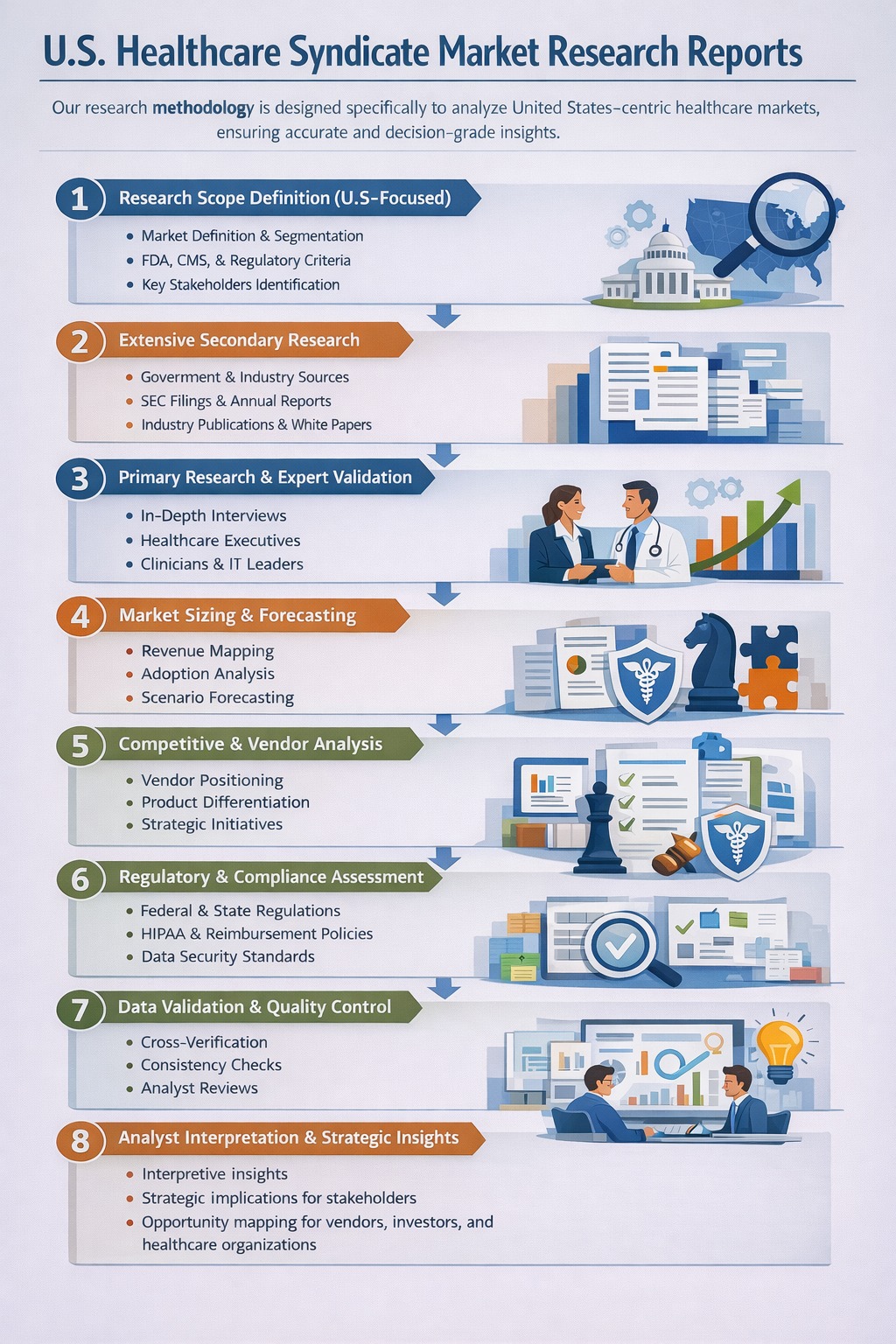
1.3 Research Methodology
1.3.1 Primary Data Collection (Cardiologists, Structural Heart Teams, Procurement Heads)
1.3.2 Secondary Data Sourcing (FDA, CMS, Clinical Trials, Company Filings)
1.3.3 External Industry Collaborations
1.3.4 In-House Research Databases
1.3.5 Analytical Frameworks & Forecasting Models
1.3.6 Data Validation and Final Report Publishing
1.4 Key Assumptions (Adoption Rates, Reimbursement Stability, Procedure Growth)
1.5 Market Ecosystem Overview (OEMs, Hospitals, Distributors, Payers)
1.6 Stakeholder Analysis (Manufacturers, Providers, Payers, GPOs, Ambulatory Centers)
What this section provides:
Defines scope, methodology, data integrity, and establishes credibility of forecasting assumptions specific to US structural heart interventions.
2. US Self-Expanding Transcatheter Aortic Valve Market: Executive Summary
2.1 Key Insights & Market Snapshot (2025–2035)
2.2 Analyst Viewpoint (Strategic Positioning of Self-Expanding vs Balloon-Expandable)
2.3 Market Attractiveness Index (By Segment & Region)
What this section provides:
A concise, decision-ready snapshot of market size, growth trajectory, competitive intensity, and strategic investment areas.
3. US Self-Expanding Transcatheter Aortic Valve Market: Market Dynamics & Outlook
3.1 Market Drivers and Impact Analysis
3.1.1 Expansion to Low-Risk Patient Populations
3.1.2 Aging Demographics and Aortic Stenosis Burden
3.1.3 Clinical Superiority in Complex Anatomies
3.1.4 Hospital Throughput and Economic Efficiency
3.2 Market Restraints and Impact Analysis
3.2.1 High Device Cost and Budget Constraints
3.2.2 Conduction Disturbances and Pacemaker Rates
3.2.3 Long-Term Durability Concerns
3.3 Market Opportunities and Impact Analysis
3.3.1 Expansion into Younger Patient Cohorts
3.3.2 Outpatient and Same-Day TAVR Pathways
3.3.3 AI-Driven Procedural Planning
3.4 Patent & Innovation Analysis (2020–2025)
What this section provides:
A deep understanding of growth levers, clinical barriers, innovation trajectory, and risk-adjusted opportunity landscape.
4. US Self-Expanding Transcatheter Aortic Valve Market: Market Environment & Industry Analysis
4.1 PESTEL Analysis
4.1.1 Political
4.1.2 Economic
4.1.3 Social
4.1.4 Technological
4.1.5 Environmental
4.1.6 Legal
4.2 Porter’s Five Forces Analysis
4.2.1 Threat of New Entrants
4.2.2 Bargaining Power of Buyers (Hospitals, IDNs)
4.2.3 Bargaining Power of Suppliers
4.2.4 Threat of Substitutes (SAVR, Balloon-Expandable TAVR)
4.2.5 Competitive Rivalry
4.3 Pricing Trend Analysis (2024–2035)
4.4 Value Chain & Supply Chain Analysis (Manufacturing to Implantation)
4.5 Impact of Digitalization in Structural Heart Programs
4.6 Clinical Application & Innovation Landscape
4.7 Regulatory Framework (FDA PMA, CMS Coverage Decisions)
4.8 Reimbursement & DRG Analysis
4.9 Import/Export & Domestic Manufacturing Trends
4.10 Government Initiatives & Policy Impact
What this section provides:
A macro-to-micro industry view covering regulatory, economic, and competitive forces shaping procurement and adoption.
5. US Self-Expanding Transcatheter Aortic Valve Market – By Valve Type
5.1 Overview
5.2 Segment Share Analysis, 2025 & 2035 (%)
5.3 Supra-Annular Self-Expanding Valves
5.4 Intra-Annular Self-Expanding Valves
What this section provides:
Insights into design-driven clinical performance differences and their impact on physician preference and outcomes.
6. US Self-Expanding Transcatheter Aortic Valve Market – By Indication
6.1 Overview
6.2 Segment Share Analysis, 2025 & 2035 (%)
6.3 Severe Symptomatic Aortic Stenosis
6.4 Bicuspid Aortic Valve Disease
6.5 Valve-in-Valve Procedures
6.6 Degenerative Bioprosthetic Failure
What this section provides:
Understanding of clinical use cases driving procedure volumes and future expansion of indications.
7. US Self-Expanding Transcatheter Aortic Valve Market – By End User
7.1 Overview
7.2 Segment Share Analysis, 2025 & 2035 (%)
7.3 Hospitals (Academic & Tertiary Care Centers)
7.4 Cardiac Catheterization Laboratories
7.5 Ambulatory Surgical Centers
What this section provides:
Breakdown of care delivery settings and how procedural decentralization is evolving in the US.
8. US Self-Expanding Transcatheter Aortic Valve Market – By Procedure Setting
8.1 Overview
8.2 Segment Share Analysis, 2025 & 2035 (%)
8.3 Inpatient Procedures
8.4 Outpatient / Same-Day Discharge
What this section provides:
Insights into evolving care pathways and their impact on hospital economics and patient throughput.
9. US Self-Expanding Transcatheter Aortic Valve Market – By Geography
9.1 Introduction
9.2 Segment Share Analysis, By Geography, 2025 & 2035 (%)
9.3 West Region
9.3.1 Regional Overview & Market Trends
9.3.2 Key Manufacturers Presence & Hospital Networks
9.3.3 Market Size and Forecast, 2025–2035 (US$ Million)
9.3.4 Market Size by Valve Type
9.3.5 Market Size by Indication
9.3.6 Market Size by End User
9.3.7 Market Size by Procedure Setting
State-Level Analysis
9.3.8 California
9.3.8.1 Overview
9.3.8.2 Market Size & Forecast
9.3.9 Washington
9.3.10 Colorado
9.3.11 Arizona
9.3.12 Oregon
9.3.13 Others
9.3.13.1 Utah
9.3.13.2 Nevada
9.3.13.3 New Mexico
9.3.13.4 Idaho
9.3.13.5 Montana
9.3.13.6 Wyoming
9.3.13.7 Alaska
9.3.13.8 Hawaii
9.4 Northeast Region
9.4.1 Regional Overview & Trends
9.4.2 New York
9.4.3 Massachusetts
9.4.4 New Jersey
9.4.5 Pennsylvania
9.4.6 Connecticut
9.4.7 Others
9.4.7.1 Maine
9.4.7.2 Vermont
9.4.7.3 New Hampshire
9.4.7.4 Rhode Island
9.4.7.5 Delaware
9.5 South Region
9.5.1 Regional Overview & Trends
9.5.2 Texas
9.5.3 Florida
9.5.4 Georgia
9.5.5 North Carolina
9.5.6 Tennessee
9.5.7 South Carolina
9.5.8 Alabama
9.5.9 Others
9.5.9.1 Mississippi
9.5.9.2 Louisiana
9.5.9.3 Arkansas
9.5.9.4 Kentucky
9.5.9.5 Oklahoma
9.5.9.6 Virginia
9.5.9.7 Maryland
9.5.9.8 West Virginia
9.6 Midwest Region
9.6.1 Regional Overview & Trends
9.6.2 Illinois
9.6.3 Ohio
9.6.4 Michigan
9.6.5 Minnesota
9.6.6 Indiana
9.6.7 Wisconsin
9.6.8 Missouri
9.6.9 Others
9.6.9.1 Iowa
9.6.9.2 Kansas
9.6.9.3 Nebraska
9.6.9.4 North Dakota
9.6.9.5 South Dakota
What this section provides:
Granular, state-level intelligence on procedural volumes, adoption maturity, and investment hotspots across US regions.
10. US Self-Expanding Transcatheter Aortic Valve Market: Competitive Landscape & Company Profiles
10.1 Market Share Analysis (2025)
10.2 Company Positioning Matrix
10.3 Company Profiles
10.3.1 Medtronic
10.3.2 Boston Scientific
10.3.3 Abbott Laboratories
10.3.4 Edwards Lifesciences
10.3.5 JenaValve Technology
10.3.6 Meril Life Sciences (US Operations)
10.3.7 Venus Medtech
10.3.8 MicroPort CardioFlow
10.3.9 Peijia Medical
10.3.10 Foldax
10.3.11 Anteris Technologies
10.3.12 Cardinal Health
10.3.13 GE HealthCare
10.3.14 Siemens Healthineers
10.3.15 Philips Healthcare
10.3.16 Shockwave Medical
10.3.17 Penumbra
10.3.18 HeartFlow
10.3.19 Viz.ai
10.3.20 Tempus
10.3.21 Transmural Systems
10.3.22 Edwards Lifesciences (US R&D Focus)
10.3.23 Medtronic (US Manufacturing Expansion)
10.3.24 Abbott Structural Heart (US Clinical Trials)
10.3.25 Others
What this section provides:
Competitive benchmarking, strategic positioning, and insight into innovation pipelines and market share dynamics.
11. US Self-Expanding Transcatheter Aortic Valve Market: Future Market Outlook (2025–2035)
11.1 Scenario Analysis (Optimistic, Base, Conservative)
11.2 Emerging Technologies (Next-Gen Valves, AI Integration)
11.3 Structural Heart Market Convergence Trends
11.4 Investment Opportunities
What this section provides:
Forward-looking insights enabling strategic planning, investment prioritization, and risk assessment.
12. US Self-Expanding Transcatheter Aortic Valve Market: Strategic Recommendations
What this section provides:
Actionable strategies for OEMs, hospitals, investors, and policymakers to maximize growth and competitiveness.
13. US Self-Expanding Transcatheter Aortic Valve Market: Disclaimer
What this section provides:
Clarifies report limitations, data assumptions, and legal boundaries for responsible usage.
List of Tables
TABLE 1: List of Data Sources
TABLE 2: Market Drivers; Impact Analysis
TABLE 3: Market Restraints; Impact Analysis
TABLE 4: US Self-Expanding Transcatheter Aortic Valve Market: Valve Type Snapshot (2025)
TABLE 5: Segment Dashboard; Definition and Scope, by Valve Type
TABLE 6: US Self-Expanding Transcatheter Aortic Valve Market, by Valve Type, 2021–2035 (USD Million)
TABLE 7: US Self-Expanding Transcatheter Aortic Valve Market: Indication Snapshot (2025)
TABLE 8: Segment Dashboard; Definition and Scope, by Indication
TABLE 9: US Self-Expanding Transcatheter Aortic Valve Market, by Indication, 2021–2035 (USD Million)
TABLE 10: US Self-Expanding Transcatheter Aortic Valve Market: End-User Snapshot (2025)
TABLE 11: Segment Dashboard; Definition and Scope, by End-User
TABLE 12: US Self-Expanding Transcatheter Aortic Valve Market, by End-User, 2021–2035 (USD Million)
TABLE 13: US Self-Expanding Transcatheter Aortic Valve Market: Procedure Setting Snapshot (2025)
TABLE 14: Segment Dashboard; Definition and Scope, by Procedure Setting
TABLE 15: US Self-Expanding Transcatheter Aortic Valve Market, by Procedure Setting, 2021–2035 (USD Million)
TABLE 16: US Self-Expanding Transcatheter Aortic Valve Market: Regional Snapshot (2025)
TABLE 17: Segment Dashboard; Definition and Scope, by Region
TABLE 18: US Self-Expanding Transcatheter Aortic Valve Market, by Region, 2021–2035 (USD Million)
TABLE 19: California Self-Expanding TAVR Market, by Valve Type, 2021–2035 (USD Million)
TABLE 20: California Self-Expanding TAVR Market, by Indication, 2021–2035 (USD Million)
TABLE 21: California Self-Expanding TAVR Market, by End-User, 2021–2035 (USD Million)
TABLE 22: California Self-Expanding TAVR Market, by Procedure Setting, 2021–2035 (USD Million)
TABLE 23: Washington Self-Expanding TAVR Market, by Valve Type, 2021–2035 (USD Million)
TABLE 24: Washington Self-Expanding TAVR Market, by Indication, 2021–2035 (USD Million)
TABLE 25: Washington Self-Expanding TAVR Market, by End-User, 2021–2035 (USD Million)
TABLE 26: Washington Self-Expanding TAVR Market, by Procedure Setting, 2021–2035 (USD Million)
TABLE 27: Colorado Self-Expanding TAVR Market, by Valve Type, 2021–2035 (USD Million)
TABLE 28: Colorado Self-Expanding TAVR Market, by Indication, 2021–2035 (USD Million)
TABLE 29: Colorado Self-Expanding TAVR Market, by End-User, 2021–2035 (USD Million)
TABLE 30: Colorado Self-Expanding TAVR Market, by Procedure Setting, 2021–2035 (USD Million)
TABLE 31: Arizona Self-Expanding TAVR Market, by Valve Type, 2021–2035 (USD Million)
TABLE 32: Arizona Self-Expanding TAVR Market, by Indication, 2021–2035 (USD Million)
TABLE 33: Arizona Self-Expanding TAVR Market, by End-User, 2021–2035 (USD Million)
TABLE 34: Arizona Self-Expanding TAVR Market, by Procedure Setting, 2021–2035 (USD Million)
TABLE 35: Oregon Self-Expanding TAVR Market, by Valve Type, 2021–2035 (USD Million)
TABLE 36: Oregon Self-Expanding TAVR Market, by Indication, 2021–2035 (USD Million)
TABLE 37: Oregon Self-Expanding TAVR Market, by End-User, 2021–2035 (USD Million)
TABLE 38: Oregon Self-Expanding TAVR Market, by Procedure Setting, 2021–2035 (USD Million)
TABLE 39: West – Others Self-Expanding TAVR Market, by Valve Type, 2021–2035 (USD Million)
TABLE 40: West – Others Self-Expanding TAVR Market, by Indication, 2021–2035 (USD Million)
TABLE 41: West – Others Self-Expanding TAVR Market, by End-User, 2021–2035 (USD Million)
TABLE 42: West – Others Self-Expanding TAVR Market, by Procedure Setting, 2021–2035 (USD Million)
(Nevada, Utah, New Mexico, Idaho, Montana, Wyoming, Alaska, Hawaii)
TABLE 43: New York Self-Expanding TAVR Market, by Valve Type, 2021–2035 (USD Million)
TABLE 44: New York Self-Expanding TAVR Market, by Indication, 2021–2035 (USD Million)
TABLE 45: New York Self-Expanding TAVR Market, by End-User, 2021–2035 (USD Million)
TABLE 46: New York Self-Expanding TAVR Market, by Procedure Setting, 2021–2035 (USD Million)
TABLE 47: Massachusetts Self-Expanding TAVR Market, by Valve Type, 2021–2035 (USD Million)
TABLE 48: Massachusetts Self-Expanding TAVR Market, by Indication, 2021–2035 (USD Million)
TABLE 49: Massachusetts Self-Expanding TAVR Market, by End-User, 2021–2035 (USD Million)
TABLE 50: Massachusetts Self-Expanding TAVR Market, by Procedure Setting, 2021–2035 (USD Million)
TABLE 51: New Jersey Self-Expanding TAVR Market, by Valve Type, 2021–2035 (USD Million)
TABLE 52: New Jersey Self-Expanding TAVR Market, by Indication, 2021–2035 (USD Million)
TABLE 53: New Jersey Self-Expanding TAVR Market, by End-User, 2021–2035 (USD Million)
TABLE 54: New Jersey Self-Expanding TAVR Market, by Procedure Setting, 2021–2035 (USD Million)
TABLE 55: Pennsylvania Self-Expanding TAVR Market, by Valve Type, 2021–2035 (USD Million)
TABLE 56: Pennsylvania Self-Expanding TAVR Market, by Indication, 2021–2035 (USD Million)
TABLE 57: Pennsylvania Self-Expanding TAVR Market, by End-User, 2021–2035 (USD Million)
TABLE 58: Pennsylvania Self-Expanding TAVR Market, by Procedure Setting, 2021–2035 (USD Million)
TABLE 59: Connecticut Self-Expanding TAVR Market, by Valve Type, 2021–2035 (USD Million)
TABLE 60: Connecticut Self-Expanding TAVR Market, by Indication, 2021–2035 (USD Million)
TABLE 61: Connecticut Self-Expanding TAVR Market, by End-User, 2021–2035 (USD Million)
TABLE 62: Connecticut Self-Expanding TAVR Market, by Procedure Setting, 2021–2035 (USD Million)
TABLE 63: Northeast – Others Self-Expanding TAVR Market, by Valve Type, 2021–2035 (USD Million)
TABLE 64: Northeast – Others Self-Expanding TAVR Market, by Indication, 2021–2035 (USD Million)
TABLE 65: Northeast – Others Self-Expanding TAVR Market, by End-User, 2021–2035 (USD Million)
TABLE 66: Northeast – Others Self-Expanding TAVR Market, by Procedure Setting, 2021–2035 (USD Million)
(Maine, Vermont, New Hampshire, Rhode Island, Delaware)
TABLE 67: Texas Self-Expanding TAVR Market, by Valve Type, 2021–2035 (USD Million)
TABLE 68: Texas Self-Expanding TAVR Market, by Indication, 2021–2035 (USD Million)
TABLE 69: Texas Self-Expanding TAVR Market, by End-User, 2021–2035 (USD Million)
TABLE 70: Texas Self-Expanding TAVR Market, by Procedure Setting, 2021–2035 (USD Million)
TABLE 71: Florida Self-Expanding TAVR Market, by Valve Type, 2021–2035 (USD Million)
TABLE 72: Florida Self-Expanding TAVR Market, by Indication, 2021–2035 (USD Million)
TABLE 73: Florida Self-Expanding TAVR Market, by End-User, 2021–2035 (USD Million)
TABLE 74: Florida Self-Expanding TAVR Market, by Procedure Setting, 2021–2035 (USD Million)
TABLE 75: Georgia Self-Expanding TAVR Market, by Valve Type, 2021–2035 (USD Million)
TABLE 76: Georgia Self-Expanding TAVR Market, by Indication, 2021–2035 (USD Million)
TABLE 77: Georgia Self-Expanding TAVR Market, by End-User, 2021–2035 (USD Million)
TABLE 78: Georgia Self-Expanding TAVR Market, by Procedure Setting, 2021–2035 (USD Million)
TABLE 79: North Carolina Self-Expanding TAVR Market, by Valve Type, 2021–2035 (USD Million)
TABLE 80: North Carolina Self-Expanding TAVR Market, by Indication, 2021–2035 (USD Million)
TABLE 81: North Carolina Self-Expanding TAVR Market, by End-User, 2021–2035 (USD Million)
TABLE 82: North Carolina Self-Expanding TAVR Market, by Procedure Setting, 2021–2035 (USD Million)
TABLE 83: Tennessee Self-Expanding TAVR Market, by Valve Type, 2021–2035 (USD Million)
TABLE 84: Tennessee Self-Expanding TAVR Market, by Indication, 2021–2035 (USD Million)
TABLE 85: Tennessee Self-Expanding TAVR Market, by End-User, 2021–2035 (USD Million)
TABLE 86: Tennessee Self-Expanding TAVR Market, by Procedure Setting, 2021–2035 (USD Million)
TABLE 87: South Carolina Self-Expanding TAVR Market, by Valve Type, 2021–2035 (USD Million)
TABLE 88: South Carolina Self-Expanding TAVR Market, by Indication, 2021–2035 (USD Million)
TABLE 89: South Carolina Self-Expanding TAVR Market, by End-User, 2021–2035 (USD Million)
TABLE 90: South Carolina Self-Expanding TAVR Market, by Procedure Setting, 2021–2035 (USD Million)
TABLE 91: Alabama Self-Expanding TAVR Market, by Valve Type, 2021–2035 (USD Million)
TABLE 92: Alabama Self-Expanding TAVR Market, by Indication, 2021–2035 (USD Million)
TABLE 93: Alabama Self-Expanding TAVR Market, by End-User, 2021–2035 (USD Million)
TABLE 94: Alabama Self-Expanding TAVR Market, by Procedure Setting, 2021–2035 (USD Million)
TABLE 95: South – Others Self-Expanding TAVR Market, by Valve Type, 2021–2035 (USD Million)
TABLE 96: South – Others Self-Expanding TAVR Market, by Indication, 2021–2035 (USD Million)
TABLE 97: South – Others Self-Expanding TAVR Market, by End-User, 2021–2035 (USD Million)
TABLE 98: South – Others Self-Expanding TAVR Market, by Procedure Setting, 2021–2035 (USD Million)
(Mississippi, Louisiana, Arkansas, Kentucky, Oklahoma, Virginia, Maryland, West Virginia)
TABLE 99: Illinois Self-Expanding TAVR Market, by Valve Type, 2021–2035 (USD Million)
TABLE 100: Illinois Self-Expanding TAVR Market, by Indication, 2021–2035 (USD Million)
TABLE 101: Illinois Self-Expanding TAVR Market, by End-User, 2021–2035 (USD Million)
TABLE 102: Illinois Self-Expanding TAVR Market, by Procedure Setting, 2021–2035 (USD Million)
TABLE 103: Ohio Self-Expanding TAVR Market, by Valve Type, 2021–2035 (USD Million)
TABLE 104: Ohio Self-Expanding TAVR Market, by Indication, 2021–2035 (USD Million)
TABLE 105: Ohio Self-Expanding TAVR Market, by End-User, 2021–2035 (USD Million)
TABLE 106: Ohio Self-Expanding TAVR Market, by Procedure Setting, 2021–2035 (USD Million)
TABLE 107: Michigan Self-Expanding TAVR Market, by Valve Type, 2021–2035 (USD Million)
TABLE 108: Michigan Self-Expanding TAVR Market, by Indication, 2021–2035 (USD Million)
TABLE 109: Michigan Self-Expanding TAVR Market, by End-User, 2021–2035 (USD Million)
TABLE 110: Michigan Self-Expanding TAVR Market, by Procedure Setting, 2021–2035 (USD Million)
TABLE 111: Minnesota Self-Expanding TAVR Market, by Valve Type, 2021–2035 (USD Million)
TABLE 112: Minnesota Self-Expanding TAVR Market, by Indication, 2021–2035 (USD Million)
TABLE 113: Minnesota Self-Expanding TAVR Market, by End-User, 2021–2035 (USD Million)
TABLE 114: Minnesota Self-Expanding TAVR Market, by Procedure Setting, 2021–2035 (USD Million)
TABLE 115: Indiana Self-Expanding TAVR Market, by Valve Type, 2021–2035 (USD Million)
TABLE 116: Indiana Self-Expanding TAVR Market, by Indication, 2021–2035 (USD Million)
TABLE 117: Indiana Self-Expanding TAVR Market, by End-User, 2021–2035 (USD Million)
TABLE 118: Indiana Self-Expanding TAVR Market, by Procedure Setting, 2021–2035 (USD Million)
TABLE 119: Wisconsin Self-Expanding TAVR Market, by Valve Type, 2021–2035 (USD Million)
TABLE 120: Wisconsin Self-Expanding TAVR Market, by Indication, 2021–2035 (USD Million)
TABLE 121: Wisconsin Self-Expanding TAVR Market, by End-User, 2021–2035 (USD Million)
TABLE 122: Wisconsin Self-Expanding TAVR Market, by Procedure Setting, 2021–2035 (USD Million)
TABLE 123: Missouri Self-Expanding TAVR Market, by Valve Type, 2021–2035 (USD Million)
TABLE 124: Missouri Self-Expanding TAVR Market, by Indication, 2021–2035 (USD Million)
TABLE 125: Missouri Self-Expanding TAVR Market, by End-User, 2021–2035 (USD Million)
TABLE 126: Missouri Self-Expanding TAVR Market, by Procedure Setting, 2021–2035 (USD Million)
TABLE 127: Midwest – Others Self-Expanding TAVR Market, by Valve Type, 2021–2035 (USD Million)
TABLE 128: Midwest – Others Self-Expanding TAVR Market, by Indication, 2021–2035 (USD Million)
TABLE 129: Midwest – Others Self-Expanding TAVR Market, by End-User, 2021–2035 (USD Million)
TABLE 130: Midwest – Others Self-Expanding TAVR Market, by Procedure Setting, 2021–2035 (USD Million)
(Iowa, Kansas, Nebraska, North Dakota, South Dakota)
List of Figures
FIGURE 1: US Self-Expanding Transcatheter Aortic Valve Market Segmentation
FIGURE 2: Market Research Methodology
FIGURE 3: Value Chain Analysis (TAVR Device to Procedure Flow)
FIGURE 4: PESTLE Analysis
FIGURE 5: Porter’s Five Forces Analysis
FIGURE 6: Market Attractiveness Analysis
FIGURE 7: Market Dynamics
FIGURE 8: Innovation & Clinical Trial Landscape (2020–2025)
FIGURE 9: Competitive Landscape; Key Company Market Share Analysis, 2025
FIGURE 10: Valve Type Segment Market Share Analysis, 2025 & 2035
FIGURE 11: Valve Type Segment Market Size Forecast and Trend Analysis, 2025–2035 (USD Million)
FIGURE 12: Indication Segment Market Share Analysis, 2025 & 2035
FIGURE 13: Indication Segment Market Size Forecast and Trend Analysis, 2025–2035 (USD Million)
FIGURE 14: End-User Segment Market Share Analysis, 2025 & 2035
FIGURE 15: End-User Segment Market Size Forecast and Trend Analysis, 2025–2035 (USD Million)
FIGURE 16: Procedure Setting Market Share Analysis, 2025 & 2035
FIGURE 17: Procedure Setting Market Size Forecast and Trend Analysis, 2025–2035 (USD Million)
FIGURE 18: Regional Segment Market Share Analysis, 2025 & 2035
FIGURE 19: Regional Segment Market Size Forecast and Trend Analysis, 2025–2035 (USD Million)
FIGURE 20: West Region Market Share and Leading Players, 2025
FIGURE 21: Northeast Region Market Share and Leading Players, 2025
FIGURE 22: South Region Market Share and Leading Players, 2025
FIGURE 23: Midwest Region Market Share and Leading Players, 2025
FIGURE 24: West Region Market Share Analysis by State, 2025
FIGURE 25: California Self-Expanding TAVR Market Size, Forecast and Trend Analysis, 2025–2035
FIGURE 26: Washington Self-Expanding TAVR Market Size, Forecast and Trend Analysis, 2025–2035
FIGURE 27: Colorado Self-Expanding TAVR Market Size, Forecast and Trend Analysis, 2025–2035
FIGURE 28: Arizona Self-Expanding TAVR Market Size, Forecast and Trend Analysis, 2025–2035
FIGURE 29: Oregon Self-Expanding TAVR Market Size, Forecast and Trend Analysis, 2025–2035
FIGURE 30: Others (West Region) Self-Expanding TAVR Market Size, Forecast and Trend Analysis, 2025–2035
FIGURE 31: South Region Market Share Analysis by State, 2025
FIGURE 32: Texas Self-Expanding TAVR Market Size, Forecast and Trend Analysis, 2025–2035
FIGURE 33: Florida Self-Expanding TAVR Market Size, Forecast and Trend Analysis, 2025–2035
FIGURE 34: Georgia Self-Expanding TAVR Market Size, Forecast and Trend Analysis, 2025–2035
FIGURE 35: North Carolina Self-Expanding TAVR Market Size, Forecast and Trend Analysis, 2025–2035
FIGURE 36: Tennessee Self-Expanding TAVR Market Size, Forecast and Trend Analysis, 2025–2035
FIGURE 37: South Carolina Self-Expanding TAVR Market Size, Forecast and Trend Analysis, 2025–2035
FIGURE 38: Alabama Self-Expanding TAVR Market Size, Forecast and Trend Analysis, 2025–2035
FIGURE 39: Others (South Region) Self-Expanding TAVR Market Size, Forecast and Trend Analysis, 2025–2035
FIGURE 40: Midwest Region Market Share Analysis by State, 2025
FIGURE 41: Illinois Self-Expanding TAVR Market Size, Forecast and Trend Analysis, 2025–2035
FIGURE 42: Ohio Self-Expanding TAVR Market Size, Forecast and Trend Analysis, 2025–2035
FIGURE 43: Michigan Self-Expanding TAVR Market Size, Forecast and Trend Analysis, 2025–2035
FIGURE 44: Minnesota Self-Expanding TAVR Market Size, Forecast and Trend Analysis, 2025–2035
FIGURE 45: Indiana Self-Expanding TAVR Market Size, Forecast and Trend Analysis, 2025–2035
FIGURE 46: Wisconsin Self-Expanding TAVR Market Size, Forecast and Trend Analysis, 2025–2035
FIGURE 47: Missouri Self-Expanding TAVR Market Size, Forecast and Trend Analysis, 2025–2035
FIGURE 48: Others (Midwest Region) Self-Expanding TAVR Market Size, Forecast and Trend Analysis, 2025–2035
FIGURE 49: Northeast Region Market Share Analysis by State, 2025
FIGURE 50: New York Self-Expanding TAVR Market Size, Forecast and Trend Analysis, 2025–2035
FIGURE 51: Massachusetts Self-Expanding TAVR Market Size, Forecast and Trend Analysis, 2025–2035
FIGURE 52: New Jersey Self-Expanding TAVR Market Size, Forecast and Trend Analysis, 2025–2035
FIGURE 53: Pennsylvania Self-Expanding TAVR Market Size, Forecast and Trend Analysis, 2025–2035
FIGURE 54: Connecticut Self-Expanding TAVR Market Size, Forecast and Trend Analysis, 2025–2035
FIGURE 55: Others (Northeast Region) Self-Expanding TAVR Market Size, Forecast and Trend Analysis, 2025–2035
1. How large is the true addressable patient pool for self-expanding TAVR in the US beyond current procedure volumes?
While approximately 110,000–125,000 TAVR procedures are performed annually in the US, epidemiological estimates suggest over 1.5 million Americans suffer from aortic stenosis, with nearly 300,000–350,000 patients eligible for intervention annually. However, less than 40% of eligible patients currently receive valve replacement, indicating a substantial untapped procedural opportunity, particularly in moderate AS and underdiagnosed populations.
2. Why are self-expanding valves gaining preference in specific anatomical cohorts?
Self-expanding valves demonstrate lower transvalvular gradients (often <10 mmHg post-procedure) and larger effective orifice areas (EOA up to 2.0 cm²) compared to balloon-expandable systems in small annuli. In bicuspid anatomy—present in nearly 10–15% of US AS patients—self-expanding platforms show better conformability, reducing procedural complications by up to 18–22% in complex anatomies.
3. What is the economic breakeven point for hospitals investing in TAVR programs?
The average cost of a TAVR procedure in the US ranges between USD 32,000–45,000, with device cost accounting for nearly 60–70% of total expenditure. However, hospitals achieve breakeven typically after 120–150 annual procedures, driven by reduced ICU stays (down by ~40%) and average length of stay reduced to 1.5–2.5 days, significantly improving bed turnover and margins.
4. How is the shift toward outpatient TAVR impacting market expansion?
Currently, 15–20% of TAVR procedures in the US are performed under next-day or same-day discharge protocols, a figure expected to exceed 35% by 2030. This transition can reduce per-patient hospital costs by USD 4,000–7,000, while increasing procedural capacity by 20–30% annually, making outpatient TAVR a key lever for volume growth.
5. What role does Medicare reimbursement play in sustaining market growth?
Approximately 85–90% of TAVR patients in the US are Medicare beneficiaries. CMS reimbursement through DRG codes typically ranges between USD 35,000–50,000 per case, ensuring financial viability. Stability in reimbursement has been a major driver, but future margin pressure may arise from bundled payment models and value-based care frameworks.
6. How significant is the valve-in-valve (ViV) opportunity in the US?
With over 250,000 surgical bioprosthetic valves implanted annually over the past two decades, the US is entering a phase where structural valve degeneration cases are rising sharply. Valve-in-valve TAVR is projected to account for 15–20% of total TAVR procedures by 2030, with self-expanding valves preferred due to superior hemodynamics in small surgical valves.
7. What are the key clinical risks still limiting broader adoption?
Despite advancements, permanent pacemaker implantation rates remain at 10–18% for self-expanding valves, compared to 5–8% for balloon-expandable systems. Additionally, paravalvular leak (PVL), although reduced to <5% in newer-generation devices, continues to influence physician choice, especially in low-risk younger patients.
8. How concentrated is the US market among leading players?
The US TAVR market is highly concentrated, with Medtronic and Edwards Lifesciences collectively accounting for over 85% of market share. Self-expanding systems are dominated by Medtronic’s Evolut platform, which holds approximately 35–40% share of total TAVR procedures, indicating limited but emerging competition from new entrants.
9. What is the expected durability of self-expanding valves, and how does it impact younger patient adoption?
Current data suggests 8–10 years of durability with low structural valve deterioration rates (<5%), but long-term (>15 years) data remains limited. As TAVR expands into patients aged <70 years, durability becomes a critical factor, potentially influencing lifetime treatment strategies and repeat intervention rates.
10. Which US regions are expected to drive the next wave of growth and why?
While the West and Northeast currently account for over 50% of total TAVR volumes, the South is projected to grow at the fastest CAGR (>11%) through 2035, driven by higher cardiovascular disease prevalence, expanding hospital networks, and improving access to structural heart programs. States like Texas and Florida alone could contribute over 25% of incremental market growth during the forecast period.