
Market Outlook
The US Alternative Access Transcatheter Aortic Valve Replacement (TAVR) Device Market is projected to reach approximately USD 4.92 billion by 2035, expanding from an estimated USD 1.68 billion in 2025, registering a CAGR of 11.34% during 2026–2035. This segment represents a specialized but increasingly critical subset of the broader TAVR ecosystem, driven by patients unsuitable for transfemoral access due to peripheral vascular disease, calcification, or anatomical constraints.
Between 2021 and 2024, alternative access TAVR procedures accounted for approximately 8–15% of total TAVR volumes in the US, with gradual decline in share due to improved transfemoral techniques but absolute procedural growth continuing steadily due to expanding patient eligibility and aging demographics.
The US structural heart landscape is transitioning from volume expansion to precision-driven procedural optimization, where alternative access approaches—such as transaxillary, transcarotid, transcaval, and transapical—play a critical role in ensuring procedural success in complex anatomies. While transfemoral remains dominant, alternative access TAVR is evolving into a strategic necessity rather than a fallback, particularly in high-risk, reoperative, and anatomically challenging cohorts.
Introduction
According to the US Alternative Access TAVR Device Market Report, this segment reflects the intersection of advanced interventional cardiology, surgical innovation, and patient-specific procedural planning. Unlike conventional transfemoral TAVR, alternative access approaches require multidisciplinary coordination, hybrid operating environments, and advanced imaging integration.
The US healthcare system continues to face a rising burden of aortic stenosis, particularly among patients aged ≥75 years, with prevalence exceeding 3.4% in elderly populations. While transfemoral access is feasible in ~85–90% of patients, the remaining cohort requires alternative access routes due to iliofemoral artery limitations, severe calcification, tortuosity, or prior interventions.
Alternative access TAVR has evolved from early transapical dominance to less invasive peripheral approaches such as transaxillary and transcarotid, which now account for the majority of non-transfemoral procedures. This evolution reflects a broader shift toward minimizing procedural invasiveness, reducing ICU stays, and improving recovery metrics, aligning with hospital economic priorities and value-based care models.
Key Market Drivers: What’s Fueling the US Alternative Access TAVR Device Market?
Rising Complex Patient Population with Limited Femoral Access
The US patient pool undergoing TAVR is becoming increasingly complex, with higher rates of peripheral artery disease (PAD), diabetes, and prior vascular interventions. Approximately 10–15% of TAVR candidates remain unsuitable for transfemoral access, necessitating alternative strategies.
This clinical need is further amplified by the expansion of TAVR into low-risk and younger populations, where lifetime management strategies and anatomical considerations demand flexible access planning. Alternative access techniques ensure procedural inclusivity, preventing patient exclusion due to vascular limitations.
Technological Advancements in Delivery Systems
Device manufacturers are investing heavily in low-profile delivery systems, enhanced steerability, and improved sheath designs, enabling safer navigation through alternative access routes. Innovations such as expandable sheaths, hydrophilic coatings, and reduced catheter diameters (<14F) have significantly improved procedural feasibility.
These advancements reduce vascular complications, shorten procedural time, and enhance operator confidence, thereby accelerating adoption across high-volume centers.
Hospital Economics and Workflow Optimization
From a hospital procurement perspective, alternative access TAVR is increasingly evaluated through the lens of procedural efficiency, length of stay (LOS), and complication avoidance. Transaxillary and transcarotid approaches, in particular, have demonstrated shorter ICU stays and faster recovery compared to transapical access, translating into favorable cost economics.
Hospitals are prioritizing hybrid OR utilization efficiency and cath lab expansion, aligning alternative access procedures with minimally invasive workflows rather than traditional surgical paradigms.
Expanding Clinical Evidence and Guideline Support
Growing clinical evidence supports the safety and efficacy of alternative access routes, particularly transaxillary and transcarotid approaches, which show comparable outcomes to transfemoral access in selected populations.
Professional societies such as the American College of Cardiology (ACC) and Society of Thoracic Surgeons (STS) increasingly recognize alternative access as a standardized procedural pathway, not merely a secondary option.
Innovation in Focus: How Manufacturers Are Raising the Bar?
Innovation in the US Alternative Access TAVR market is centered on access route optimization, imaging integration, and procedural standardization. Manufacturers are developing next-generation valve platforms with enhanced deliverability, specifically designed for complex vascular anatomies.
Key innovation themes include:
Integrated imaging and navigation systems enabling precise access planning
Sheathless delivery technologies reducing vascular trauma
Hybrid procedural kits tailored for alternative access workflows
AI-driven pre-procedural planning tools for anatomical assessment
Additionally, there is growing emphasis on training and simulation platforms, ensuring procedural consistency across centers and reducing operator variability.
Segmentation Insights
By Access Route
The US Alternative Access TAVR Device Market is segmented into Transaxillary/Subclavian, Transcarotid, Transapical, Transcaval, and Others.
- Transaxillary/Subclavian (Dominant Segment)
This segment has emerged as the preferred alternative access route, accounting for over 40% of alternative access procedures in 2025. Its minimally invasive nature, combined with favorable clinical outcomes and reduced recovery times, makes it highly attractive for both clinicians and hospitals. Adoption is particularly strong in high-volume TAVR centers with established vascular expertise. - Transcarotid (Fastest-Growing Segment)
Transcarotid access is gaining rapid traction due to its direct vascular path, procedural simplicity, and low complication rates. Increasing operator familiarity and improved cerebral protection strategies are accelerating adoption. - Transapical (Declining but Relevant)
Once the dominant alternative access route, transapical TAVR has declined due to its invasive nature and higher morbidity rates. However, it remains relevant in cases where peripheral access is completely unfeasible. - Transcaval and Others
Emerging techniques such as transcaval access offer innovative solutions for highly complex anatomies but remain limited to specialized centers.
By Device Type
The market is segmented into Balloon-Expandable Valves, Self-Expanding Valves, and Mechanically Expanding Valves.
- Balloon-Expandable Valves (Dominant)
Widely used due to precise deployment and strong radial force, particularly in calcified anatomies. These devices are commonly preferred in alternative access procedures requiring high positional accuracy. - Self-Expanding Valves
Gaining traction due to flexibility and adaptability to tortuous anatomies, making them suitable for transaxillary and transcarotid approaches. - Mechanically Expanding Valves
A niche segment with limited adoption but ongoing innovation.
By End User
Hospitals & Cardiac Centers dominate the market, followed by Ambulatory Surgical Centers (ASCs) and Specialty Clinics.
- Hospitals & Cardiac Centers (Dominant)
These facilities account for the majority of procedures due to availability of hybrid ORs, multidisciplinary teams, and advanced imaging infrastructure. - Ambulatory Surgical Centers (Emerging)
While still nascent, ASCs are exploring TAVR capabilities, particularly for low-risk patients, though alternative access procedures remain largely hospital-based.
By Procedure Setting
Segmented into Hybrid Operating Rooms, Catheterization Labs, and Others.
- Hybrid Operating Rooms (Dominant)
Essential for alternative access procedures due to the need for surgical backup and advanced imaging. - Catheterization Labs
Increasingly used for less invasive alternative access approaches such as transaxillary procedures.
Regional Insights: US State-Level Dynamics
The US Alternative Access TAVR market demonstrates significant regional variation driven by clinical infrastructure, patient demographics, and institutional expertise.
West (Dominant Region)
The West region leads the market, supported by advanced structural heart programs in California, Washington, and Colorado. California alone accounts for a substantial share of alternative access procedures due to:
High concentration of top-tier cardiac centers (e.g., Stanford, Cedars-Sinai, UCSF)
Strong adoption of transcarotid and transaxillary techniques
Early integration of next-generation TAVR platforms
States such as Arizona and Oregon are also witnessing growth due to expanding healthcare infrastructure and aging populations.
Northeast (Innovation-Driven Growth)
The Northeast region, including New York, Massachusetts, and Pennsylvania, is characterized by academic medical centers and research-driven adoption.
High procedural volumes in institutions like Mount Sinai, Mass General Hospital
Strong participation in clinical trials and registries (TVT Registry)
Early adoption of advanced imaging-guided access planning
This region demonstrates high procedural complexity and innovation intensity.
South (Fastest Growing Region)
The South is emerging as the fastest-growing region, driven by:
Large aging population in Florida and Texas
Rapid expansion of hospital networks
Increasing investment in cardiovascular centers of excellence
States such as North Carolina and Georgia are also expanding TAVR capabilities, including alternative access programs.
Midwest (Steady Growth with Operational Focus)
The Midwest shows consistent growth, particularly in Illinois, Ohio, and Michigan, where healthcare systems emphasize:
Cost efficiency and procedural standardization
Adoption of transaxillary approaches to reduce LOS
Integration of TAVR into broader cardiovascular service lines
Rural access remains a challenge, but regional hubs are expanding referral networks.
Key Market Players
The US Alternative Access TAVR Device Market is moderately consolidated, with a mix of global medtech leaders and specialized innovators.
- Edwards Lifesciences – Market leader with Sapien platform; strong adoption in alternative access due to precise deployment capabilities.
- Medtronic – CoreValve and Evolut platforms widely used for self-expanding applications in complex anatomies.
- Abbott Laboratories – Expanding structural heart portfolio with focus on minimally invasive solutions.
- Boston Scientific – Active in structural interventions; strategic investments in TAVR-adjacent technologies.
- JenaValve Technology – Focused on transapical systems; gaining traction in niche segments.
- Meril Life Sciences (US presence) – Emerging competitor with cost-effective valve systems.
- Venus Medtech (US trials) – Expanding clinical footprint.
- Peijia Medical – Early-stage US entry through trials.
- Anteris Technologies – Developing next-gen polymer-based valves.
- Foldax – Innovative polymer valve platforms targeting durability.
- Shockwave Medical – Adjunctive technology for vascular preparation in alternative access.
- W.L. Gore & Associates – Vascular solutions supporting access management.
- Terumo Corporation (US operations) – Catheter and access device expertise.
- Becton Dickinson (BD) – Peripheral intervention support.
- Cook Medical – Vascular access and interventional tools.
- Penumbra Inc. – Neurovascular expertise supporting transcarotid approaches.
- Siemens Healthineers – Imaging systems critical for procedural planning.
- GE HealthCare – Advanced imaging and cath lab integration.
- Philips Healthcare – Image-guided therapy solutions.
- Canon Medical Systems USA – Imaging technologies supporting structural heart procedures.
- AngioDynamics – Vascular access solutions.
- Teleflex Incorporated – Catheter-based technologies.
- Inari Medical – Emerging vascular intervention technologies.
- Cordis (US operations) – Interventional cardiovascular devices.
- Integer Holdings Corporation – Device manufacturing and component supply.
Recent Developments
Recent developments highlight the increasing procedural standardization and technology integration in alternative access TAVR. Transcarotid approaches are gaining clinical acceptance, with multiple US centers reporting comparable outcomes to transfemoral access.
Device manufacturers are launching next-generation low-profile systems, enabling broader patient eligibility. Additionally, the integration of AI-driven imaging and procedural planning tools is enhancing precision and reducing complications.
Hospital systems are also expanding structural heart programs, with dedicated alternative access teams and training initiatives.
Conclusion
The US Alternative Access TAVR Device Market is transitioning from a niche procedural segment to a strategic pillar within structural heart interventions. While transfemoral access remains dominant, alternative approaches are essential for ensuring comprehensive patient coverage and procedural success.
With strong clinical validation, technological innovation, and hospital adoption, the market is poised for sustained growth through 2035. The convergence of device innovation, procedural expertise, and economic optimization will define the next phase of market evolution.
1. US Alternative Access TAVR Device Market: Market Introduction & Context
1.1 Market Definition
1.2 Scope of the Study
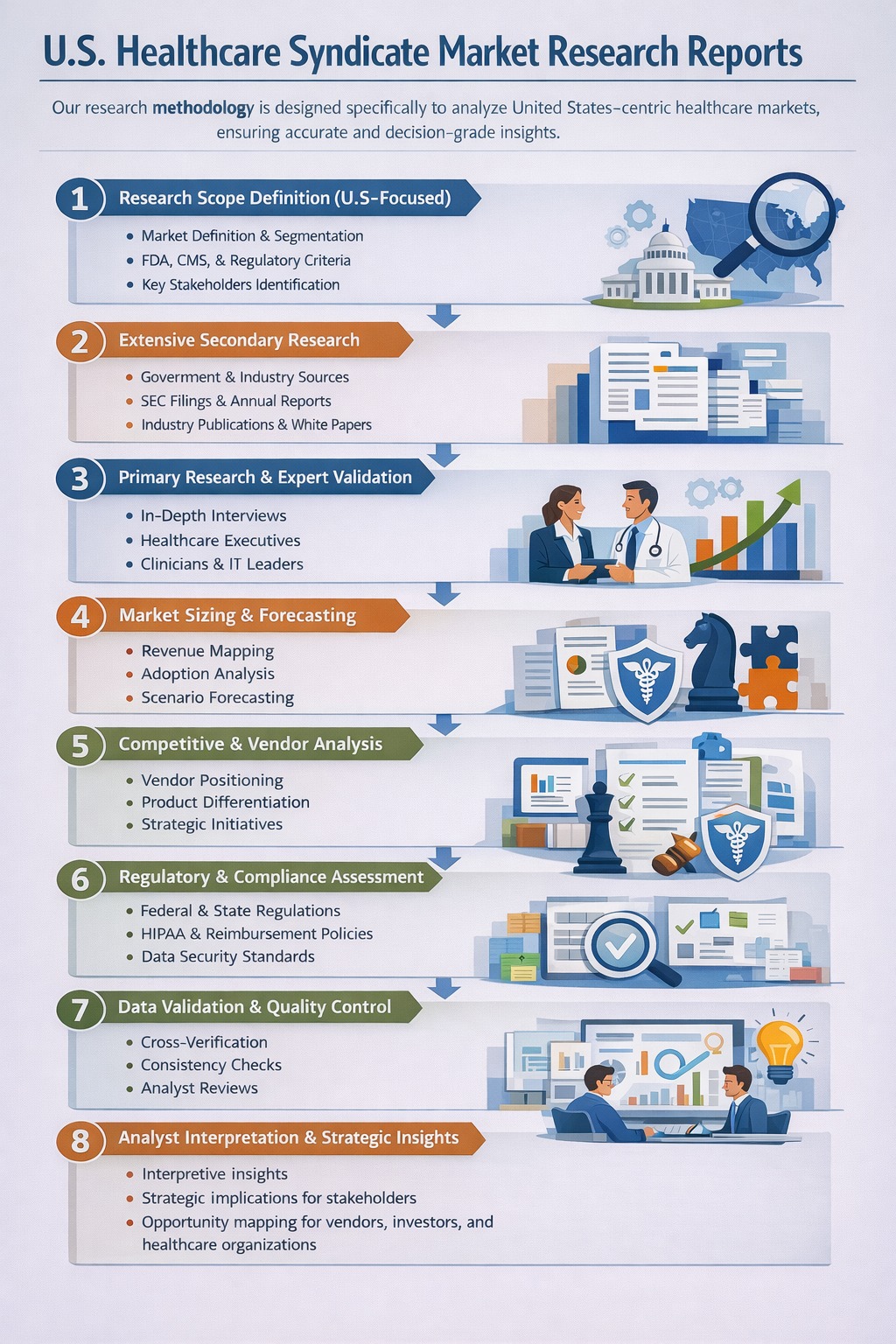
1.3 Research Methodology
1.3.1 Primary Data Collection (Interventional Cardiologists, Cardiac Surgeons, Hospital Procurement Heads)
1.3.2 Secondary Data Sourcing (FDA, CMS, STS/ACC TVT Registry, Clinical Journals)
1.3.3 External Industry Collaborations (KOL Interviews, Structural Heart Centers)
1.3.4 In-House Research Databases
1.3.5 Analytical Frameworks & Forecasting Models (Procedure Volume-Based + ASP Modeling)
1.3.6 Data Validation and Final Report Publishing
1.4 Key Assumptions (Procedure Mix, ASP Trends, Access Route Penetration)
1.5 Market Ecosystem Overview (Device OEMs, Hospitals, GPOs, Imaging Providers)
1.6 Stakeholder Analysis (Manufacturers, Distributors, Hospitals, Physicians, Payers)
What this section provides:
This section establishes the clinical, economic, and methodological foundation of the report, enabling stakeholders to understand data robustness, forecasting logic, and structural heart ecosystem dynamics in the US.
2. US Alternative Access TAVR Device Market: Executive Summary
2.1 Key Insights & Market Snapshot (2025–2035)
2.2 Analyst Viewpoint (Shift from Surgical to Percutaneous Alternative Access)
2.3 Market Attractiveness Index (By Access Route, End User, Region)
What this section provides:
A strategic snapshot of market trajectory, highlighting growth pockets, competitive intensity, and investment attractiveness across segments.
3. US Alternative Access TAVR Device Market: Market Dynamics & Outlook
3.1 Market Drivers and Impact Analysis
3.1.1 Rising Non-Transfemoral Eligible Patient Population
3.1.2 Advancements in Low-Profile Delivery Systems
3.1.3 Growth in Structural Heart Programs Across US Hospitals
3.2 Market Restraints and Impact Analysis
3.2.1 Declining Share vs Transfemoral Access
3.2.2 High Procedural Complexity and Training Requirements
3.2.3 Reimbursement and Cost Pressures
3.3 Market Opportunities and Impact Analysis
3.3.1 Expansion of Transcarotid and Transaxillary Techniques
3.3.2 AI-Driven Procedural Planning
3.3.3 Outpatient and Same-Day Discharge Trends
3.4 Patent & Innovation Analysis (2020–2025)
What this section provides:
A deep evaluation of clinical, technological, and economic forces shaping adoption, helping stakeholders assess risk-adjusted growth opportunities.
4. US Alternative Access TAVR Device Market: Market Environment & Industry Analysis
4.1 PESTEL Analysis
4.1.1 Political
4.1.2 Economic
4.1.3 Social
4.1.4 Technological
4.1.5 Environmental
4.1.6 Legal
4.2 Porter’s Five Forces Analysis
4.2.1 Threat of New Entrants
4.2.2 Bargaining Power of Buyers (Hospitals, IDNs, GPOs)
4.2.3 Bargaining Power of Suppliers
4.2.4 Threat of Substitutes (SAVR, Medical Management)
4.2.5 Competitive Rivalry
4.3 Pricing Trend Analysis by Access Route (2024–2030)
4.4 Value Chain & Supply Chain Analysis
4.5 Impact of Digitalization & Imaging Integration
4.6 Clinical Application & Innovation Landscape
4.7 Regulatory Framework Analysis (FDA Approvals, CMS Reimbursement)
4.8 Import/Export & Tariff Impact
4.9 Government & Medicare Initiatives
4.10 Impact of Geopolitical and Supply Chain Disruptions
What this section provides:
A 360-degree industry view, detailing regulatory, economic, and competitive forces influencing procurement, pricing, and innovation.
5. US Alternative Access TAVR Device Market – By Access Route
5.1 Overview
5.2 Segment Share Analysis, By Access Route, 2025 & 2035 (%)
5.3 Transaxillary/Subclavian
5.4 Transcarotid
5.5 Transapical
5.6 Transcaval
5.7 Others (Transaortic, Hybrid Access Techniques)
What this section provides:
Detailed insights into clinical adoption patterns and procedural preferences, helping identify dominant and emerging access strategies.
6. US Alternative Access TAVR Device Market – By Device Type
6.1 Overview
6.2 Segment Share Analysis, By Device Type, 2025 & 2035 (%)
6.3 Balloon-Expandable Valves
6.4 Self-Expanding Valves
6.5 Mechanically Expanding Valves
What this section provides:
Analysis of device technology evolution and physician preference trends, critical for product positioning and R&D strategy.
7. US Alternative Access TAVR Device Market – By End User
7.1 Overview
7.2 Segment Share Analysis, By End User, 2025 & 2035 (%)
7.3 Hospitals & Cardiac Centers
7.4 Ambulatory Surgical Centers (ASCs)
7.5 Specialty Cardiology Clinics
What this section provides:
Understanding of demand concentration and purchasing behavior, enabling targeting of high-value care settings.
8. US Alternative Access TAVR Device Market – By Procedure Setting
8.1 Overview
8.2 Segment Share Analysis, By Procedure Setting, 2025 & 2035 (%)
8.3 Hybrid Operating Rooms
8.4 Catheterization Laboratories
8.5 Others
What this section provides:
Insights into infrastructure-driven adoption, supporting capital investment and workflow optimization decisions.
9. US Alternative Access TAVR Device Market – By Geography
9.1 Introduction
9.2 Segment Share Analysis, By Geography, 2025 & 2035 (%)
9.3 West Region
9.3.1 Regional Overview & Trends
9.3.2 Key Manufacturers & Structural Heart Centers
9.3.3 Market Size and Forecast, By Access Route, 2025–2035
9.3.4 Market Size and Forecast, By Device Type, 2025–2035
9.3.5 Market Size and Forecast, By End User, 2025–2035
9.3.6 Market Size and Forecast, By Procedure Setting, 2025–2035
States
9.3.7 California
9.3.7.1 Overview
9.3.7.2 Market Size and Forecast, By Access Route
9.3.7.3 By Device Type
9.3.7.4 By End User
9.3.7.5 By Procedure Setting
9.3.8 Washington
9.3.9 Colorado
9.3.10 Arizona
9.3.11 Oregon
9.3.12 Others
9.3.12.1 Utah
9.3.12.2 Nevada
9.3.12.3 New Mexico
9.3.12.4 Idaho
9.3.12.5 Montana
9.3.12.6 Wyoming
9.3.12.7 Alaska
9.3.12.8 Hawaii
9.4 Northeast Region
9.4.1 New York
9.4.2 Massachusetts
9.4.3 New Jersey
9.4.4 Pennsylvania
9.4.5 Connecticut
9.4.6 Others
9.4.6.1 Maine
9.4.6.2 Vermont
9.4.6.3 New Hampshire
9.4.6.4 Rhode Island
9.4.6.5 Delaware
9.5 South Region
9.5.1 Texas
9.5.2 Florida
9.5.3 Georgia
9.5.4 North Carolina
9.5.5 Tennessee
9.5.6 South Carolina
9.5.7 Alabama
9.5.8 Others
9.5.8.1 Mississippi
9.5.8.2 Louisiana
9.5.8.3 Arkansas
9.5.8.4 Kentucky
9.5.8.5 Oklahoma
9.5.8.6 Virginia
9.5.8.7 Maryland
9.5.8.8 West Virginia
9.6 Midwest Region
9.6.1 Illinois
9.6.2 Ohio
9.6.3 Michigan
9.6.4 Minnesota
9.6.5 Indiana
9.6.6 Wisconsin
9.6.7 Missouri
9.6.8 Others
9.6.8.1 Iowa
9.6.8.2 Kansas
9.6.8.3 Nebraska
9.6.8.4 North Dakota
9.6.8.5 South Dakota
What this section provides:
A granular, state-level market intelligence framework, enabling identification of high-growth procedural hubs, investment hotspots, and regional disparities in access adoption.
10. US Alternative Access TAVR Device Market: Competitive Landscape & Company Profiles
10.1 Market Share Analysis (2025)
10.2 Company Positioning Matrix
10.3 Company Profiles
10.3.1 Edwards Lifesciences
10.3.2 Medtronic
10.3.3 Abbott Laboratories
10.3.4 Boston Scientific
10.3.5 JenaValve Technology
10.3.6 Meril Life Sciences
10.3.7 Venus Medtech
10.3.8 Peijia Medical
10.3.9 Anteris Technologies
10.3.10 Foldax
10.3.11 Shockwave Medical
10.3.12 W.L. Gore & Associates
10.3.13 Terumo Corporation
10.3.14 Becton Dickinson
10.3.15 Cook Medical
10.3.16 Penumbra Inc.
10.3.17 Teleflex Incorporated
10.3.18 AngioDynamics
10.3.19 Siemens Healthineers
10.3.20 GE HealthCare
10.3.21 Philips Healthcare
10.3.22 Canon Medical Systems USA
10.3.23 Cordis
10.3.24 Integer Holdings Corporation
10.3.25 Inari Medical
What this section provides:
Comprehensive benchmarking of competitive positioning, product strategy, and innovation pipelines, enabling strategic partnerships and competitive intelligence.
11. US Alternative Access TAVR Device Market: Future Market Outlook (2025–2035)
11.1 Scenario Analysis (Optimistic, Base, Conservative)
11.2 Disruptive Technology Impact (AI Planning, Robotics, Next-Gen Valves)
11.3 Emerging Clinical & Business Models
11.4 Investment Opportunities
What this section provides:
Forward-looking insights into market evolution, disruption risks, and strategic growth pathways.
12. US Alternative Access TAVR Device Market: Strategic Recommendations
What this section provides:
Actionable recommendations for OEMs, hospitals, investors, and policymakers to maximize market penetration and ROI.
13. US Alternative Access TAVR Device Market: Disclaimer
What this section provides:
Clarifies legal scope, limitations, and usage boundaries of the report.
List of Tables
TABLE 1: List of Data Sources
TABLE 2: Market Drivers; Impact Analysis
TABLE 3: Market Restraints; Impact Analysis
TABLE 4: US Alternative Access TAVR Device Market: Access Route Snapshot (2025)
TABLE 5: Segment Dashboard; Definition and Scope, by Access Route
TABLE 6: US Alternative Access TAVR Device Market, by Access Route, 2021–2035 (USD Million)
TABLE 7: US Alternative Access TAVR Device Market: Device Type Snapshot (2025)
TABLE 8: Segment Dashboard; Definition and Scope, by Device Type
TABLE 9: US Alternative Access TAVR Device Market, by Device Type, 2021–2035 (USD Million)
TABLE 10: US Alternative Access TAVR Device Market: End User Snapshot (2025)
TABLE 11: Segment Dashboard; Definition and Scope, by End User
TABLE 12: US Alternative Access TAVR Device Market, by End User, 2021–2035 (USD Million)
TABLE 13: US Alternative Access TAVR Device Market: Procedure Setting Snapshot (2025)
TABLE 14: Segment Dashboard; Definition and Scope, by Procedure Setting
TABLE 15: US Alternative Access TAVR Device Market, by Procedure Setting, 2021–2035 (USD Million)
TABLE 16: US Alternative Access TAVR Device Market: Regional Snapshot (2025)
TABLE 17: Segment Dashboard; Definition and Scope, by Region
TABLE 18: US Alternative Access TAVR Device Market, by Region, 2021–2035 (USD Million)
TABLE 19: California Alternative Access TAVR Device Market, by Access Route, 2021–2035 (USD Million)
TABLE 20: California Alternative Access TAVR Device Market, by Device Type, 2021–2035 (USD Million)
TABLE 21: California Alternative Access TAVR Device Market, by End User, 2021–2035 (USD Million)
TABLE 22: California Alternative Access TAVR Device Market, by Procedure Setting, 2021–2035 (USD Million)
TABLE 23: Washington Alternative Access TAVR Device Market, by Access Route, 2021–2035 (USD Million)
TABLE 24: Washington Alternative Access TAVR Device Market, by Device Type, 2021–2035 (USD Million)
TABLE 25: Washington Alternative Access TAVR Device Market, by End User, 2021–2035 (USD Million)
TABLE 26: Washington Alternative Access TAVR Device Market, by Procedure Setting, 2021–2035 (USD Million)
TABLE 27: Colorado Alternative Access TAVR Device Market, by Access Route, 2021–2035 (USD Million)
TABLE 28: Colorado Alternative Access TAVR Device Market, by Device Type, 2021–2035 (USD Million)
TABLE 29: Colorado Alternative Access TAVR Device Market, by End User, 2021–2035 (USD Million)
TABLE 30: Colorado Alternative Access TAVR Device Market, by Procedure Setting, 2021–2035 (USD Million)
TABLE 31: Arizona Alternative Access TAVR Device Market, by Access Route, 2021–2035 (USD Million)
TABLE 32: Arizona Alternative Access TAVR Device Market, by Device Type, 2021–2035 (USD Million)
TABLE 33: Arizona Alternative Access TAVR Device Market, by End User, 2021–2035 (USD Million)
TABLE 34: Arizona Alternative Access TAVR Device Market, by Procedure Setting, 2021–2035 (USD Million)
TABLE 35: Oregon Alternative Access TAVR Device Market, by Access Route, 2021–2035 (USD Million)
TABLE 36: Oregon Alternative Access TAVR Device Market, by Device Type, 2021–2035 (USD Million)
TABLE 37: Oregon Alternative Access TAVR Device Market, by End User, 2021–2035 (USD Million)
TABLE 38: Oregon Alternative Access TAVR Device Market, by Procedure Setting, 2021–2035 (USD Million)
TABLE 39: West – Others Alternative Access TAVR Device Market, by Access Route, 2021–2035 (USD Million)
TABLE 40: West – Others Alternative Access TAVR Device Market, by Device Type, 2021–2035 (USD Million)
TABLE 41: West – Others Alternative Access TAVR Device Market, by End User, 2021–2035 (USD Million)
TABLE 42: West – Others Alternative Access TAVR Device Market, by Procedure Setting, 2021–2035 (USD Million)
(Nevada, Utah, New Mexico, Idaho, Montana, Wyoming, Alaska, Hawaii)
TABLE 43: New York Alternative Access TAVR Device Market, by Access Route, 2021–2035 (USD Million)
TABLE 44: New York Alternative Access TAVR Device Market, by Device Type, 2021–2035 (USD Million)
TABLE 45: New York Alternative Access TAVR Device Market, by End User, 2021–2035 (USD Million)
TABLE 46: New York Alternative Access TAVR Device Market, by Procedure Setting, 2021–2035 (USD Million)
TABLE 47: Massachusetts Alternative Access TAVR Device Market, by Access Route, 2021–2035 (USD Million)
TABLE 48: Massachusetts Alternative Access TAVR Device Market, by Device Type, 2021–2035 (USD Million)
TABLE 49: Massachusetts Alternative Access TAVR Device Market, by End User, 2021–2035 (USD Million)
TABLE 50: Massachusetts Alternative Access TAVR Device Market, by Procedure Setting, 2021–2035 (USD Million)
TABLE 51: New Jersey Alternative Access TAVR Device Market, by Access Route, 2021–2035 (USD Million)
TABLE 52: New Jersey Alternative Access TAVR Device Market, by Device Type, 2021–2035 (USD Million)
TABLE 53: New Jersey Alternative Access TAVR Device Market, by End User, 2021–2035 (USD Million)
TABLE 54: New Jersey Alternative Access TAVR Device Market, by Procedure Setting, 2021–2035 (USD Million)
TABLE 55: Pennsylvania Alternative Access TAVR Device Market, by Access Route, 2021–2035 (USD Million)
TABLE 56: Pennsylvania Alternative Access TAVR Device Market, by Device Type, 2021–2035 (USD Million)
TABLE 57: Pennsylvania Alternative Access TAVR Device Market, by End User, 2021–2035 (USD Million)
TABLE 58: Pennsylvania Alternative Access TAVR Device Market, by Procedure Setting, 2021–2035 (USD Million)
TABLE 59: Connecticut Alternative Access TAVR Device Market, by Access Route, 2021–2035 (USD Million)
TABLE 60: Connecticut Alternative Access TAVR Device Market, by Device Type, 2021–2035 (USD Million)
TABLE 61: Connecticut Alternative Access TAVR Device Market, by End User, 2021–2035 (USD Million)
TABLE 62: Connecticut Alternative Access TAVR Device Market, by Procedure Setting, 2021–2035 (USD Million)
TABLE 63: Northeast – Others Alternative Access TAVR Device Market, by Access Route, 2021–2035 (USD Million)
TABLE 64: Northeast – Others Alternative Access TAVR Device Market, by Device Type, 2021–2035 (USD Million)
TABLE 65: Northeast – Others Alternative Access TAVR Device Market, by End User, 2021–2035 (USD Million)
TABLE 66: Northeast – Others Alternative Access TAVR Device Market, by Procedure Setting, 2021–2035 (USD Million)
(Maine, Vermont, New Hampshire, Rhode Island, Delaware)
TABLE 67: Texas Alternative Access TAVR Device Market, by Access Route, 2021–2035 (USD Million)
TABLE 68: Texas Alternative Access TAVR Device Market, by Device Type, 2021–2035 (USD Million)
TABLE 69: Texas Alternative Access TAVR Device Market, by End User, 2021–2035 (USD Million)
TABLE 70: Texas Alternative Access TAVR Device Market, by Procedure Setting, 2021–2035 (USD Million)
TABLE 71: Florida Alternative Access TAVR Device Market, by Access Route, 2021–2035 (USD Million)
TABLE 72: Florida Alternative Access TAVR Device Market, by Device Type, 2021–2035 (USD Million)
TABLE 73: Florida Alternative Access TAVR Device Market, by End User, 2021–2035 (USD Million)
TABLE 74: Florida Alternative Access TAVR Device Market, by Procedure Setting, 2021–2035 (USD Million)
TABLE 75: Georgia Alternative Access TAVR Device Market, by Access Route, 2021–2035 (USD Million)
TABLE 76: Georgia Alternative Access TAVR Device Market, by Device Type, 2021–2035 (USD Million)
TABLE 77: Georgia Alternative Access TAVR Device Market, by End User, 2021–2035 (USD Million)
TABLE 78: Georgia Alternative Access TAVR Device Market, by Procedure Setting, 2021–2035 (USD Million)
TABLE 79: North Carolina Alternative Access TAVR Device Market, by Access Route, 2021–2035 (USD Million)
TABLE 80: North Carolina Alternative Access TAVR Device Market, by Device Type, 2021–2035 (USD Million)
TABLE 81: North Carolina Alternative Access TAVR Device Market, by End User, 2021–2035 (USD Million)
TABLE 82: North Carolina Alternative Access TAVR Device Market, by Procedure Setting, 2021–2035 (USD Million)
TABLE 83: Tennessee Alternative Access TAVR Device Market, by Access Route, 2021–2035 (USD Million)
TABLE 84: Tennessee Alternative Access TAVR Device Market, by Device Type, 2021–2035 (USD Million)
TABLE 85: Tennessee Alternative Access TAVR Device Market, by End User, 2021–2035 (USD Million)
TABLE 86: Tennessee Alternative Access TAVR Device Market, by Procedure Setting, 2021–2035 (USD Million)
TABLE 87: South Carolina Alternative Access TAVR Device Market, by Access Route, 2021–2035 (USD Million)
TABLE 88: South Carolina Alternative Access TAVR Device Market, by Device Type, 2021–2035 (USD Million)
TABLE 89: South Carolina Alternative Access TAVR Device Market, by End User, 2021–2035 (USD Million)
TABLE 90: South Carolina Alternative Access TAVR Device Market, by Procedure Setting, 2021–2035 (USD Million)
TABLE 91: Alabama Alternative Access TAVR Device Market, by Access Route, 2021–2035 (USD Million)
TABLE 92: Alabama Alternative Access TAVR Device Market, by Device Type, 2021–2035 (USD Million)
TABLE 93: Alabama Alternative Access TAVR Device Market, by End User, 2021–2035 (USD Million)
TABLE 94: Alabama Alternative Access TAVR Device Market, by Procedure Setting, 2021–2035 (USD Million)
TABLE 95: South – Others Alternative Access TAVR Device Market, by Access Route, 2021–2035 (USD Million)
TABLE 96: South – Others Alternative Access TAVR Device Market, by Device Type, 2021–2035 (USD Million)
TABLE 97: South – Others Alternative Access TAVR Device Market, by End User, 2021–2035 (USD Million)
TABLE 98: South – Others Alternative Access TAVR Device Market, by Procedure Setting, 2021–2035 (USD Million)
(Mississippi, Louisiana, Arkansas, Kentucky, Oklahoma, Virginia, Maryland, West Virginia)
TABLE 99: Illinois Alternative Access TAVR Device Market, by Access Route, 2021–2035 (USD Million)
TABLE 100: Illinois Alternative Access TAVR Device Market, by Device Type, 2021–2035 (USD Million)
TABLE 101: Illinois Alternative Access TAVR Device Market, by End User, 2021–2035 (USD Million)
TABLE 102: Illinois Alternative Access TAVR Device Market, by Procedure Setting, 2021–2035 (USD Million)
TABLE 103: Ohio Alternative Access TAVR Device Market, by Access Route, 2021–2035 (USD Million)
TABLE 104: Ohio Alternative Access TAVR Device Market, by Device Type, 2021–2035 (USD Million)
TABLE 105: Ohio Alternative Access TAVR Device Market, by End User, 2021–2035 (USD Million)
TABLE 106: Ohio Alternative Access TAVR Device Market, by Procedure Setting, 2021–2035 (USD Million)
TABLE 107: Michigan Alternative Access TAVR Device Market, by Access Route, 2021–2035 (USD Million)
TABLE 108: Michigan Alternative Access TAVR Device Market, by Device Type, 2021–2035 (USD Million)
TABLE 109: Michigan Alternative Access TAVR Device Market, by End User, 2021–2035 (USD Million)
TABLE 110: Michigan Alternative Access TAVR Device Market, by Procedure Setting, 2021–2035 (USD Million)
TABLE 111: Minnesota Alternative Access TAVR Device Market, by Access Route, 2021–2035 (USD Million)
TABLE 112: Minnesota Alternative Access TAVR Device Market, by Device Type, 2021–2035 (USD Million)
TABLE 113: Minnesota Alternative Access TAVR Device Market, by End User, 2021–2035 (USD Million)
TABLE 114: Minnesota Alternative Access TAVR Device Market, by Procedure Setting, 2021–2035 (USD Million)
TABLE 115: Indiana Alternative Access TAVR Device Market, by Access Route, 2021–2035 (USD Million)
TABLE 116: Indiana Alternative Access TAVR Device Market, by Device Type, 2021–2035 (USD Million)
TABLE 117: Indiana Alternative Access TAVR Device Market, by End User, 2021–2035 (USD Million)
TABLE 118: Indiana Alternative Access TAVR Device Market, by Procedure Setting, 2021–2035 (USD Million)
TABLE 119: Wisconsin Alternative Access TAVR Device Market, by Access Route, 2021–2035 (USD Million)
TABLE 120: Wisconsin Alternative Access TAVR Device Market, by Device Type, 2021–2035 (USD Million)
TABLE 121: Wisconsin Alternative Access TAVR Device Market, by End User, 2021–2035 (USD Million)
TABLE 122: Wisconsin Alternative Access TAVR Device Market, by Procedure Setting, 2021–2035 (USD Million)
TABLE 123: Missouri Alternative Access TAVR Device Market, by Access Route, 2021–2035 (USD Million)
TABLE 124: Missouri Alternative Access TAVR Device Market, by Device Type, 2021–2035 (USD Million)
TABLE 125: Missouri Alternative Access TAVR Device Market, by End User, 2021–2035 (USD Million)
TABLE 126: Missouri Alternative Access TAVR Device Market, by Procedure Setting, 2021–2035 (USD Million)
TABLE 127: Midwest – Others Alternative Access TAVR Device Market, by Access Route, 2021–2035 (USD Million)
TABLE 128: Midwest – Others Alternative Access TAVR Device Market, by Device Type, 2021–2035 (USD Million)
TABLE 129: Midwest – Others Alternative Access TAVR Device Market, by End User, 2021–2035 (USD Million)
TABLE 130: Midwest – Others Alternative Access TAVR Device Market, by Procedure Setting, 2021–2035 (USD Million)
(Iowa, Kansas, Nebraska, North Dakota, South Dakota)
List of Figures
FIGURE 1: US Alternative Access TAVR Device Market Segmentation
FIGURE 2: Market Research Methodology
FIGURE 3: Value Chain Analysis (Structural Heart Ecosystem)
FIGURE 4: PESTLE Analysis
FIGURE 5: Porter’s Five Forces Analysis
FIGURE 6: Market Attractiveness Analysis
FIGURE 7: Market Dynamics
FIGURE 8: Innovation & Patent Landscape (2020–2025)
FIGURE 9: Competitive Landscape; Key Company Market Share Analysis, 2025
FIGURE 10: Access Route Segment Market Share Analysis, 2025 & 2035
FIGURE 11: Access Route Segment Market Size Forecast and Trend Analysis, 2025–2035 (USD Million)
FIGURE 12: Device Type Segment Market Share Analysis, 2025 & 2035
FIGURE 13: Device Type Segment Market Size Forecast and Trend Analysis, 2025–2035 (USD Million)
FIGURE 14: End User Segment Market Share Analysis, 2025 & 2035
FIGURE 15: End User Segment Market Size Forecast and Trend Analysis, 2025–2035 (USD Million)
FIGURE 16: Procedure Setting Segment Market Share Analysis, 2025 & 2035
FIGURE 17: Procedure Setting Segment Market Size Forecast and Trend Analysis, 2025–2035 (USD Million)
FIGURE 18: Regional Segment Market Share Analysis, 2025 & 2035
FIGURE 19: Regional Segment Market Size Forecast and Trend Analysis, 2025–2035 (USD Million)
FIGURE 20: West Region US Alternative Access TAVR Market Share and Leading Centers, 2025
FIGURE 21: Northeast Region US Alternative Access TAVR Market Share and Leading Centers, 2025
FIGURE 22: South Region US Alternative Access TAVR Market Share and Leading Centers, 2025
FIGURE 23: Midwest Region US Alternative Access TAVR Market Share and Leading Centers, 2025
FIGURE 24: West Region Market Share Analysis by State, 2025
FIGURE 25: California Alternative Access TAVR Market Size, Forecast and Trend Analysis, 2025–2035
FIGURE 26: Washington Alternative Access TAVR Market Size, Forecast and Trend Analysis, 2025–2035
FIGURE 27: Colorado Alternative Access TAVR Market Size, Forecast and Trend Analysis, 2025–2035
FIGURE 28: Arizona Alternative Access TAVR Market Size, Forecast and Trend Analysis, 2025–2035
FIGURE 29: Oregon Alternative Access TAVR Market Size, Forecast and Trend Analysis, 2025–2035
FIGURE 30: Others (West Region) Alternative Access TAVR Market Size, Forecast and Trend Analysis, 2025–2035
FIGURE 31: South Region Market Share Analysis by State, 2025
FIGURE 32: Texas Alternative Access TAVR Market Size, Forecast and Trend Analysis, 2025–2035
FIGURE 33: Florida Alternative Access TAVR Market Size, Forecast and Trend Analysis, 2025–2035
FIGURE 34: Georgia Alternative Access TAVR Market Size, Forecast and Trend Analysis, 2025–2035
FIGURE 35: North Carolina Alternative Access TAVR Market Size, Forecast and Trend Analysis, 2025–2035
FIGURE 36: Tennessee Alternative Access TAVR Market Size, Forecast and Trend Analysis, 2025–2035
FIGURE 37: South Carolina Alternative Access TAVR Market Size, Forecast and Trend Analysis, 2025–2035
FIGURE 38: Alabama Alternative Access TAVR Market Size, Forecast and Trend Analysis, 2025–2035
FIGURE 39: Others (South Region) Alternative Access TAVR Market Size, Forecast and Trend Analysis, 2025–2035
FIGURE 40: Midwest Region Market Share Analysis by State, 2025
FIGURE 41: Illinois Alternative Access TAVR Market Size, Forecast and Trend Analysis, 2025–2035
FIGURE 42: Ohio Alternative Access TAVR Market Size, Forecast and Trend Analysis, 2025–2035
FIGURE 43: Michigan Alternative Access TAVR Market Size, Forecast and Trend Analysis, 2025–2035
FIGURE 44: Minnesota Alternative Access TAVR Market Size, Forecast and Trend Analysis, 2025–2035
FIGURE 45: Indiana Alternative Access TAVR Market Size, Forecast and Trend Analysis, 2025–2035
FIGURE 46: Wisconsin Alternative Access TAVR Market Size, Forecast and Trend Analysis, 2025–2035
FIGURE 47: Missouri Alternative Access TAVR Market Size, Forecast and Trend Analysis, 2025–2035
FIGURE 48: Others (Midwest Region) Alternative Access TAVR Market Size, Forecast and Trend Analysis, 2025–2035
FIGURE 49: Northeast Region Market Share Analysis by State, 2025
FIGURE 50: New York Alternative Access TAVR Market Size, Forecast and Trend Analysis, 2025–2035
FIGURE 51: Massachusetts Alternative Access TAVR Market Size, Forecast and Trend Analysis, 2025–2035
FIGURE 52: New Jersey Alternative Access TAVR Market Size, Forecast and Trend Analysis, 2025–2035
FIGURE 53: Pennsylvania Alternative Access TAVR Market Size, Forecast and Trend Analysis, 2025–2035
FIGURE 54: Connecticut Alternative Access TAVR Market Size, Forecast and Trend Analysis, 2025–2035
FIGURE 55: Others (Northeast Region) Alternative Access TAVR Market Size, Forecast and Trend Analysis, 2025–2035
1. How large is the clinically “unaddressable” TAVR population requiring alternative access?
Approximately 10–15% of US TAVR candidates (~12,000–18,000 patients annually) remain unsuitable for transfemoral access, forming the core demand base for alternative access procedures.
2. Which alternative access route is winning and why?
Transaxillary accounts for ~40–45% of alternative access cases, followed by transcarotid (~30–35%), due to lower invasiveness and ~15–25% shorter hospital stay vs transapical.
3. How fast is transcarotid access scaling in the US?
Transcarotid procedures are growing at ~18–22% CAGR (2023–2026), significantly outpacing the overall TAVR market, driven by simplified access and reduced ICU utilization.
4. What is the economic difference between access routes for hospitals?
Alternative access via transaxillary/transcarotid can reduce length of stay by 1.5–2.5 days and lower total episode cost by $4,000–$8,000 per case compared to transapical approaches.
5. How does device selection differ in alternative access cases?
Balloon-expandable valves dominate (~55–60%) in alternative access due to precision deployment, while self-expanding valves (~40–45%) are preferred in tortuous anatomies.
6. What role does imaging play in alternative access success?
Advanced CT planning and imaging integration reduce vascular complications by up to 20–30%, making imaging a critical differentiator in high-risk alternative access procedures.
7. Are alternative access procedures declining due to better transfemoral devices?
Their percentage share is declining slightly, but absolute volume is still growing (~6–8% annually) due to expanding TAVR eligibility and aging US demographics.
8. Which US regions are driving alternative access adoption?
The West and Northeast account for ~55–60% of total procedures, supported by high-volume centers, while the South shows fastest growth (>12% CAGR) due to infrastructure expansion .
9. What is the typical complication profile vs transfemoral TAVR?
Alternative access has slightly higher stroke risk (+1–2%), but newer transcarotid techniques are narrowing this gap, achieving comparable 30-day mortality (~2–4%).
10. Where is the next wave of innovation focused?
Innovation is shifting toward ≤14F delivery systems, AI-guided access planning, and sheathless technologies, aiming to convert up to 30–40% of current alternative access cases back to transfemoral feasibility while optimizing the remaining segment.